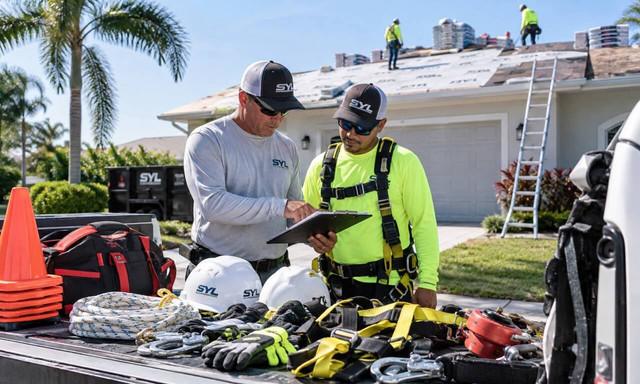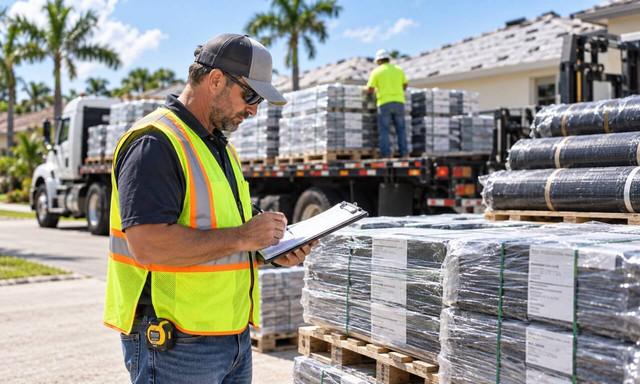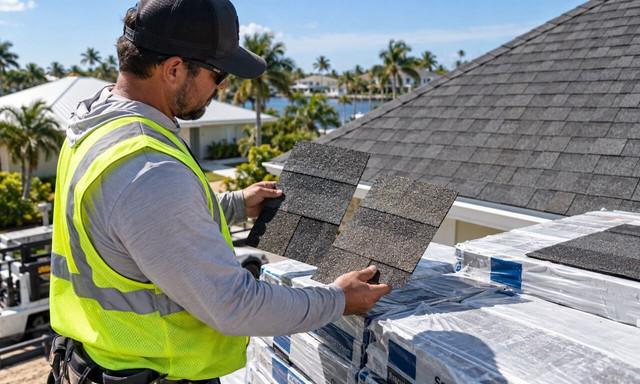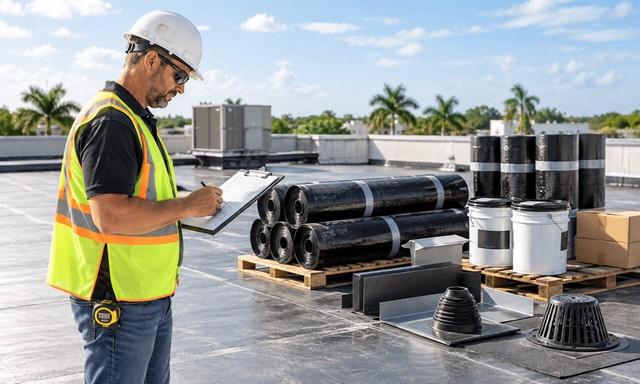

Timely delivery of roofing materials is one of the most critical factors for staying on schedule and protecting profit margins in Florida’s roofing industry. When storms, supply chain disruptions, or last-minute plan changes strike, access to materials right when you need them can mean the difference between a crew moving forward or waiting on the sidelines. According to industry data, the roofing sector saw a 35% increase in project delays due to supply chain disruptions (gitnux.org). Florida construction projects can experience delays of up to 24 days, contributing to billions in annual losses (workyard.com).
If you’re a contractor managing multiple jobs and shifting weather, choosing the right roofing material delivery option matters as much as the materials themselves. Notably, 73% of roofing contractors report project delays as a significant challenge, and 82% of commercial contractors agree (digitaledition.roofingcontractor.com).
Same-Day vs Next-Day: What Changes for Contractors and Crews?
Choosing between same-day roofing delivery and next-day roofing delivery is about more than just speed. It’s a strategic decision that impacts crew efficiency, project costs, and risk management.
| Same-Day Delivery | Next-Day Delivery | |
|---|---|---|
| Speed | Materials arrive within hours of order | Materials arrive the following day |
| Cost | Typically higher due to expedited handling | More cost-effective, aligns with standard logistics |
| Crew Utilization | Minimizes downtime, supports urgent repairs | Allows for better planning, reduces rushed labor |
| Scheduling Flexibility | Ideal for last-minute changes or shortages | Best for planned installs and predictable workload |
| Risk | Greater risk of missed cutoffs, requires tight coordination | Lower risk if planned well, but less flexible |
Industry surveys show that 73% of roofing contractors report project delays as a significant challenge—and delivery timing is a leading factor (digitaledition.roofingcontractor.com). While material costs and labor make up the bulk of project expenses in Florida, the premium for expedited delivery is generally outweighed by the cost of lost crew hours if materials aren’t on site when needed. Labor expenses alone can account for 40–60% of total project costs (bigskyroofingfl.com).
For most crews, the right choice comes down to the project’s urgency, available storage, and the weather forecast.
For more on delivery options for roofers, see our roofing material delivery services.
The Dispatch Checklist: What to Have Ready Before Scheduling a Drop
Efficient planning reduces idle crew time and costly delays. Here’s a step-by-step checklist to keep your roofing material drops running smoothly:
- Confirm Crew Schedule: Know precisely when the crew will be on-site and ready to work.
- Verify Material List: Double-check all items needed for the day’s work—missing fasteners or underlayment can halt progress.
- Coordinate Drop Zone: Identify a safe, accessible area for unloading materials.
- Check Access Requirements: Ensure gates, codes, or special site restrictions are communicated to your supplier.
- Monitor Weather Forecast: Adjust delivery timing or storage plans as needed for rain or wind.
- Communicate with Teams: Use shared calendars or project management tools to keep everyone on the same page.
- Confirm with Supplier: Get a firm delivery window and contingency plan for unexpected delays.
During hurricane season, demand surges and material shortages in Florida can extend project timelines—60% of companies reported shortages of key materials like asphalt shingles in 2022 (gocityside.com; gitnux.org).
Industry data shows project management tools and checklists improve scheduling efficiency.
To make your material planning easier, browse our roofing materials for all the supplies your crew might need.
Real-World Impacts: Scheduling Successes and Failures
Scheduling impacts aren’t just theoretical—they shape real project outcomes. During Florida’s hurricane season, surges in demand and supply chain disruptions can stretch timelines and stress crews. In 2022, 60% of Florida roofing companies experienced shortages of essential materials that delayed jobs, and industry-wide, delays have become the norm rather than the exception (gitnux.org; gocityside.com).
While we don’t have a Florida-specific case study from SYL, industry data makes one thing clear: the difference between a smoothly coordinated crew and an idle one can come down to the timing of a single delivery.
Even one missed material drop can mean rescheduling days of labor and disappointing clients.
Efficient scheduling not only saves labor costs but also boosts customer satisfaction and the likelihood of repeat business.
If you want to schedule delivery with confidence, see our schedule delivery options.
Technology and Best Practices for Crew and Delivery Coordination
Leveraging digital tools isn’t just a trend—it’s become a standard for top-performing contractors. 78% of roofing companies have adopted digital technology to streamline operations—a shift that is redefining industry standards (zipdo.co). While there’s no recent Florida-specific stat, the broader construction industry is seeing a sharp rise in the use of project management software and mobile apps to streamline operations. These tools allow for real-time tracking, shared calendars, and instant communication, all of which help to prevent the miscommunication and scheduling conflicts that can derail a project.
For Florida roofers, using these technologies enhances transparency, reduces idle time, and means you’re always ready to adapt to changing conditions.
For more on what a modern roofing supply in Florida can do for your business, visit our roofing supply in Florida hub.
Compliance, Risks, and Florida-Specific Delivery Considerations
Ignoring compliance risks can lead to failed inspections, costly rework, or even legal penalties. Florida’s building codes, especially in hurricane-prone areas, are among the strictest in the nation. HVHZ requirements in Miami-Dade and Broward counties require materials with Miami-Dade NOA (paletzroofing.com). Contractors must use impact-resistant materials, follow approved installation practices, and maintain all documentation to avoid fines or project delays (estimatorflorida.com).
Non-compliance can stop a job in its tracks and erode your reputation with clients and inspectors alike.
To stay ahead of regulatory changes and avoid unnecessary risk, always verify your materials meet state and local codes—and keep documentation ready for inspection.
For fast access to approved materials and documentation, visit our Florida DBPR code approvals page.
Conclusion: Getting the Right Materials, Right on Time
Timely deliveries don’t just keep crews moving—they can directly impact your bottom line.
A new roof can increase a home’s resale value by 60% to 70% of the replacement cost (modernize.com). For contractors, keeping jobs on schedule isn’t just about logistics—it’s about maintaining profitability, customer satisfaction, and a reputation for reliability.
Timely completion leads to more positive reviews and future referrals.
To schedule your next delivery or get a quote, reach out through our Request a Quote / Roofing Delivery Assistance page and keep your jobs running on time.
FAQ
When is same-day roofing delivery worth it?
Same-day is worth it when a missing item is stopping production or a repair is urgent, because lost crew hours can cost more than the delivery premium.
When is next-day delivery the better move?
Next-day is best for planned installs where you can stage materials, confirm quantities, and reduce last-minute changes that create errors or missed cutoffs.
What details should I have ready before scheduling a drop?
Have the full material list, jobsite access notes, preferred drop zone, crew start time, and any special offload or rooftop placement needs.
How can I reduce delivery problems during hurricane season?
Order earlier, build buffer inventory for critical items, and confirm alternates for essentials like underlayment, fasteners, and shingles.
References
- Big Sky Roofing FL. (n.d.). Average Cost of Roof Replacement in Florida. https://bigskyroofingfl.com/blog/average-cost-of-roof-replacement-in-florida
- Digital Edition Roofing Contractor. (2023). State of the Industry. https://digitaledition.roofingcontractor.com/february-2023/state-of-the-industry/
- Estimator Florida. (n.d.). Roofing Construction and Estimating in Florida. https://estimatorflorida.com/roofing-construction-and-estimating-in-florida/
- Gitnux. (2025). Supply Chain in the Roofing Industry Statistics. https://gitnux.org/supply-chain-in-the-roofing-industry-statistics/
- Paletz Roofing. (n.d.). Florida Building Codes for Roofing. https://paletzroofing.com/florida-building-codes-for-roofing/
- Modernize. (n.d.). Roof Cost Calculator Florida. https://modernize.com/roof/cost-calculator/florida
- GoCitySide. (n.d.). How Supply Chain Shifts Impact Roofing Projects in Tavares. https://gocityside.com/how-supply-chain-shifts-impact-roofing-projects-in-tavares/
- Zipdo. (n.d.). Digital Transformation in the Roofing Industry Statistics. https://zipdo.co/digital-transformation-in-the-roofing-industry-statistics/