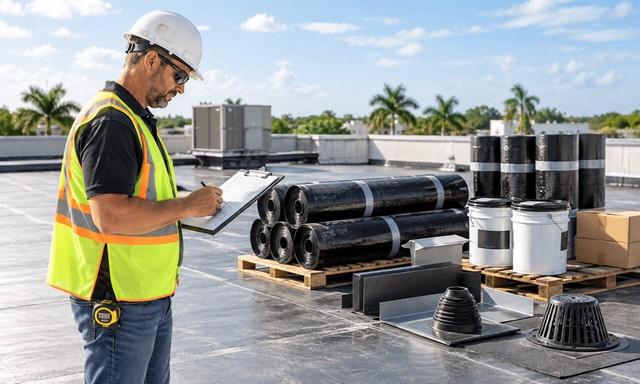

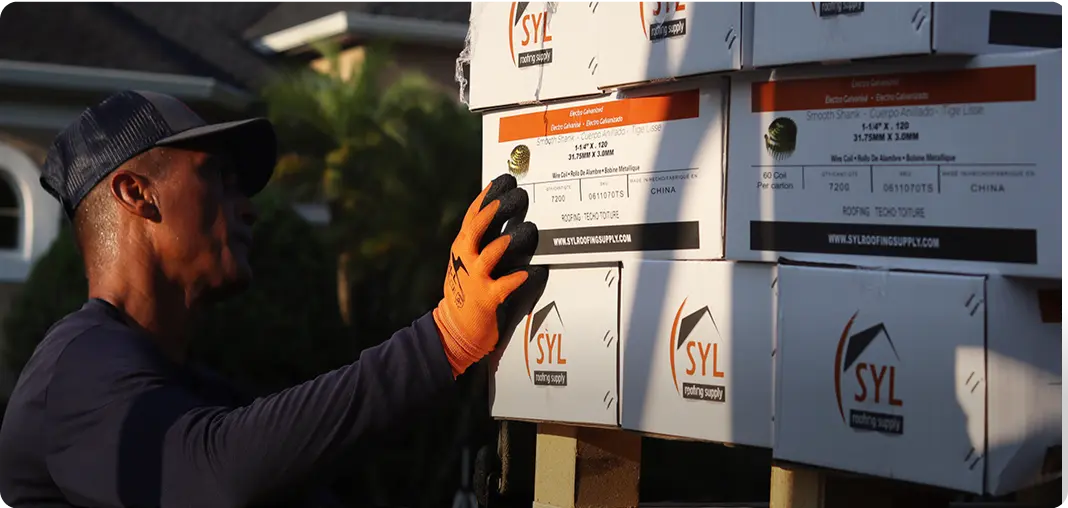
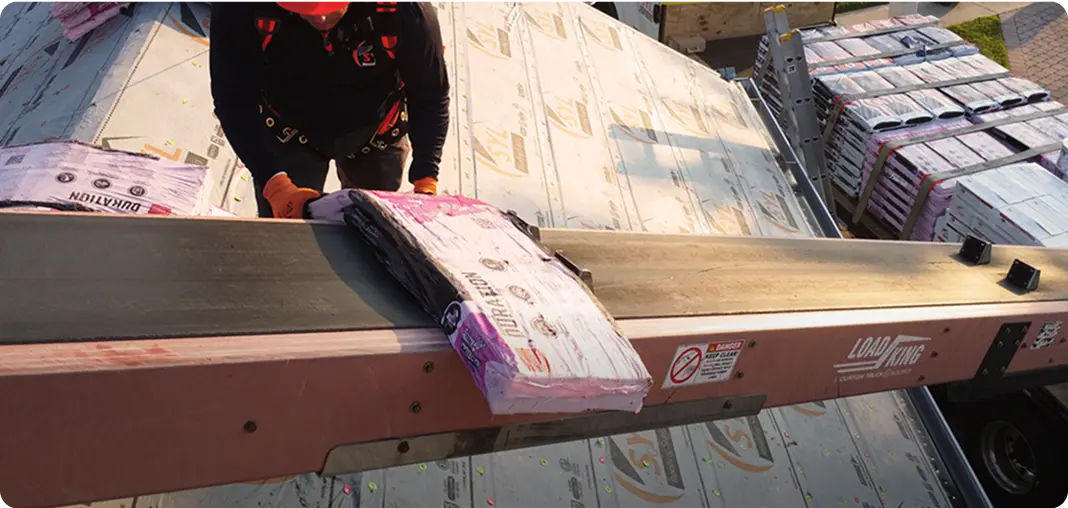
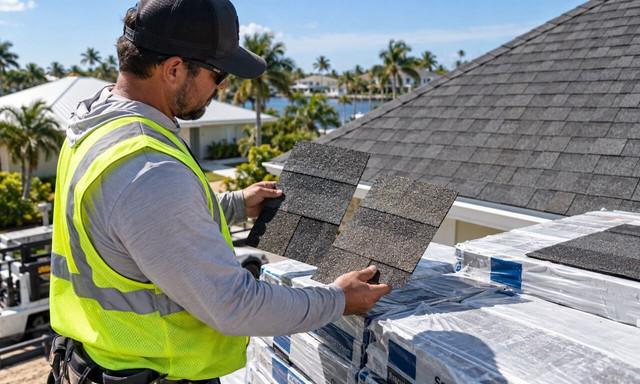
Shingle lot number matching starts before a replacement bundle reaches the roof. A matching color name is useful, but it may not be enough to confirm that new material belongs with the bundles already staged or installed.
Manufacturers use their own product names, color codes, blend codes, date codes, plant identifiers, and lot information. Weathering can also change how an older roof looks, which makes visual matching alone unreliable for repairs.
A clean reorder gives your supplier the label information, photos, quantity, job context, and timing needed to research the closest documented match without treating an assumption as a confirmation.
TL;DR
- Confirm the manufacturer, exact product line, color name, and package identifiers.
- Follow the matching rules for the exact manufacturer and shingle, not a rule remembered from another brand.
- Photograph bundle-end labels before wrappers are discarded or pallets are split.
- Keep questionable bundles separated until the supplier or manufacturer provides product-specific direction.
- Document weathering, repair location, quantity, and timing when matching an existing roof.
Why the Color Name Is Only the First Check
Names such as Charcoal or Weathered Wood identify a marketed color, but they do not communicate every production detail. The same name can appear across different product families, plants, blend versions, or manufacturing periods.
GAF's current technical bulletin on shingle color codes states that bundles for a job need the same full GAF color code and that closer date codes can reduce the chance of temporary oil-staining differences. IKO's official color-variation bulletin similarly warns that its different blend codes should not be mixed on the same roof.
Those are manufacturer-specific instructions, not a universal code format. When you review available asphalt shingles and roofing materials, bring the exact brand and product information so our team can work from the correct documentation.
Capture the Bundle Label Before the Material Moves
The easiest time to document a bundle is while the wrapper is intact and the pallets are still organized. Assign the receiving lead to photograph a readable end label from every pallet or separately wrapped production group.
Capture the manufacturer, product line, color name, color or blend code, production or date code, plant or line information when present, and any "do not mix" language. Add the purchase order, delivery ticket, and pallet location so the photo can be tied to the right job.
Compare those details with the original order and the manufacturer's current instructions. The package review should sit beside the full-system check in our shingle job order checklist, not replace it.
If one group differs, mark and separate it before rooftop loading or broad distribution. It is much easier to hold a pallet on the ground than to reconstruct where its bundles went after wrappers and labels are scattered.
Build a Reorder Request That Can Be Researched
For a shortage on a current installation, start with the original order number and label photos from the bundles already assigned to the roof. State how many full bundles or individual pieces are needed, which roof plane needs them, and when the crew expects to install them.
For a repair on an older roof, document the roof area, approximate installation period when known, current appearance, and any readable information from an uninstalled bundle or safely accessed shingle. GAF notes that its color code may appear on the back of an unpackaged shingle, but other manufacturers may identify products differently.
Use photos to support identification, not to declare an exact match from screen color. Lighting, camera settings, display differences, aging, staining, granule loss, and surrounding materials can all change appearance. Label what is confirmed and what remains a visual observation.
Use the Exact Manufacturer's Mixing Direction
Do not apply one brand's color-code rule to another brand. Owens Corning's current Duration instructions warn against mixing material with different lot numbers. GAF uses its own full color-code convention. IKO identifies blend and production information through its own label system.
The order review should therefore ask:
- Is the manufacturer the same?
- Is the product line and construction the same?
- Does the marketed color name match?
- Do the required color, blend, lot, plant, and date identifiers meet that manufacturer's current direction?
- Has the supplier or manufacturer answered any remaining compatibility question in writing?
Do not install a questionable group to see whether it blends. Once material is opened and nailed, the purchasing problem becomes an installed-roof problem.
Account for Weathering on Repair Work
Even a correctly identified new shingle may not look identical beside material that has spent years in Florida sun, rain, heat, and airborne debris. The existing roof may have normal fading, granule wear, staining, repairs, or products from multiple earlier phases.
Explain that distinction before ordering. Product identity and production matching can reduce avoidable variation, but they cannot reverse weathering on the existing roof. The contractor and property owner should align on the repair objective and acceptable appearance before installation.
If the repair area is large or highly visible, send the documented condition to the manufacturer or other responsible party when their input is needed. Avoid promising an invisible repair based on a color name alone.
Protect Matching Bundles After Delivery
A correct match can still create an appearance or handling concern if bundles are stored poorly, mixed with another job, bent over a ridge, exposed to conditions outside the manufacturer's instructions, or stripped of identifying wrappers too early.
Keep the production groups labeled and separated until the foreman releases them. Follow current manufacturer storage guidance and the practical controls in our guide to protecting roofing materials on Florida jobsites.
Save at least one readable label photo with the job record. If a color or product question appears later, the team can work from the actual package information instead of memory.
Create One Release Point for the Reorder
Give one person authority to release the reorder for staging or installation after the label check. That person should have the approved request, supplier response, manufacturer direction when needed, delivery record, and assigned roof location.
Our team can help organize known product information and research available material. Send the package data and photos before the crew depends on the reorder, and keep any unconfirmed match out of the installation sequence.
Frequently Asked Questions
Is the shingle color name enough for a reorder?
Usually not. Confirm the manufacturer, exact product line, color name, and every package identifier the manufacturer uses for matching, such as a color code, blend code, lot number, plant, or production date.
Can shingles with different lot numbers be mixed?
Use the current instructions for the exact manufacturer and product. Some manufacturers expressly warn against mixing different lots or codes, and their label systems are not interchangeable.
Why can a correct replacement still look different on an older roof?
The installed shingles may have changed through weathering, staining, granule wear, or prior repairs. A documented product match reduces avoidable errors, but it cannot make new material age instantly.
What photos should be sent with a shingle reorder?
Send clear bundle-end labels, the existing roof area, the repair or shortage location, nearby shingles in consistent light, and any readable markings on retained or safely accessed material.