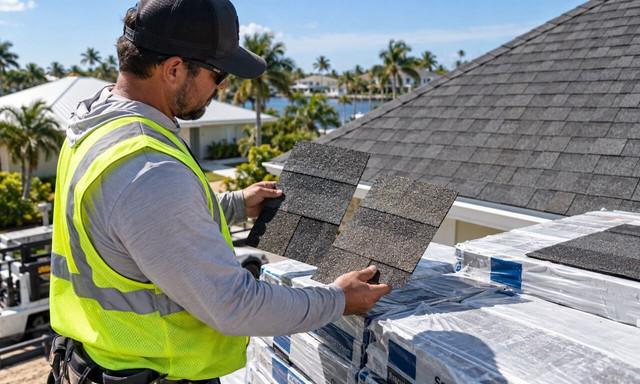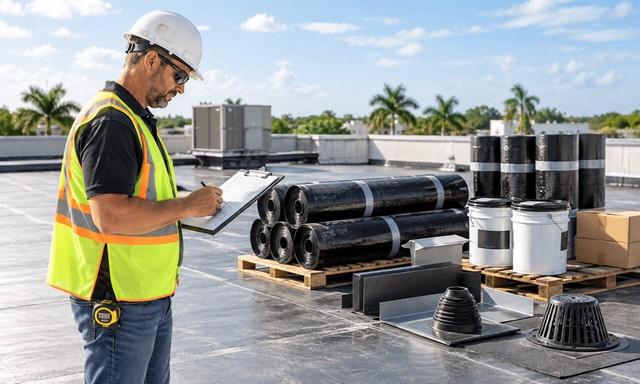

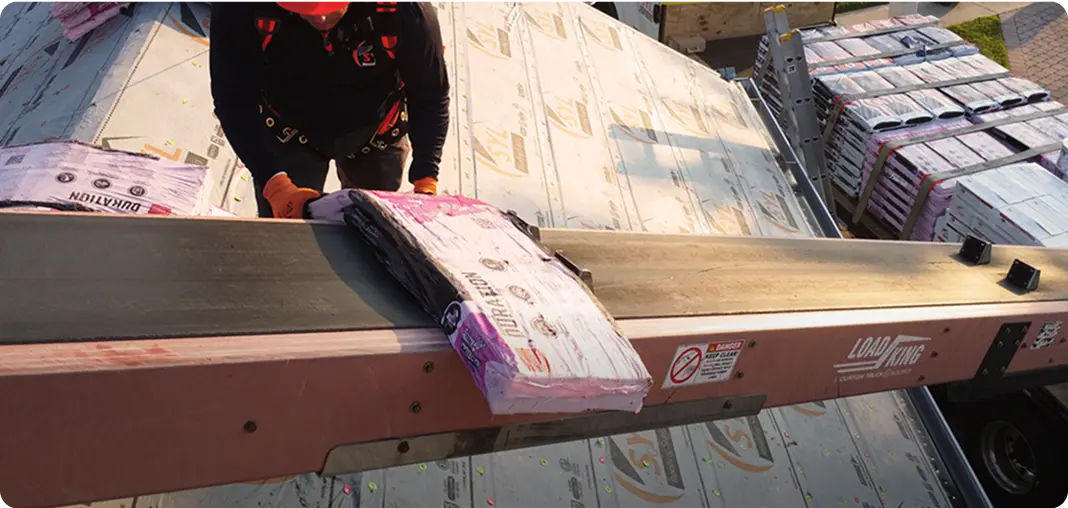
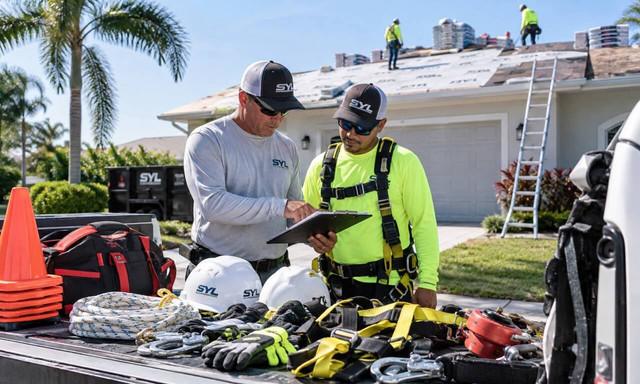
Roofing safety supplies should come from the hazards, tasks, access plan, equipment, and written controls for the actual jobsite. A generic box of gloves and caution tape is not a substitute for a site-specific safety program or the decisions assigned to trained and authorized people.
The supply workflow still matters. If required equipment is missing, damaged, incompatible, the wrong size, or assigned to another crew, work may start with pressure to improvise. Purchasing can reduce that friction by turning the safety plan into a named, inspectable material list.
This article organizes the supply handoff. It does not select a fall-protection system, certify equipment, train workers, or replace applicable regulations, manufacturer instructions, or employer procedures.
TL;DR
- Begin with the employer's site-specific hazard assessment and safety plan.
- Have the authorized safety lead define systems, quantities, sizes, compatibility, and inspection criteria.
- Separate fall protection, personal protective equipment, access, warning controls, rescue, and task-specific supplies.
- Track inspection status and component identity instead of treating all gear as interchangeable.
- Stage safety equipment before production materials block access or hide missing items.
Let the Safety Plan Build the Supply List
Start with the work scope, roof type, heights, edges, openings, access points, ladders, weather exposure, electrical conditions, material-handling plan, tools, chemicals, and crew tasks. The employer's responsible safety personnel should identify the controls and equipment required for those conditions.
OSHA's construction standard for fall-protection duties includes specific requirements for workers exposed to fall hazards, including roofing work. The correct system depends on the work and conditions, so do not convert one threshold or example into a universal shopping list.
Use the approved plan to review SYL's tools, accessories, and roofing materials. A product listing can support purchasing, but it does not establish that an item is available, compliant, compatible, inspected, or appropriate for the site.
Separate the Order Into Safety-Control Groups
A grouped order helps the safety lead see missing categories and keeps small components from disappearing into the general tool list.
| Control group | Planning questions | Who should confirm |
|---|---|---|
| Fall protection | Which documented system is used, which components belong together, and what inspection and rescue provisions apply? | Employer's authorized and competent safety personnel |
| Personal protective equipment | What head, eye, face, hand, foot, hearing, respiratory, or high-visibility protection follows from the hazard assessment? | Employer based on hazards, requirements, and product instructions |
| Access and ladders | What equipment, setup, securing, inspection, and access controls are assigned? | Responsible jobsite team under the employer's program |
| Warning and restricted areas | What barriers, signs, lines, cones, or ground controls are part of the approved plan? | Employer's responsible safety personnel |
| Emergency and rescue | What communication, first-aid, retrieval, or rescue resources are required and who is assigned? | Employer and designated trained personnel |
| Task-specific controls | What additional equipment follows from hot work, chemicals, power tools, silica, heat, weather, traffic, or material handling? | Employer using current requirements and product information |
The table is a purchasing framework, not a compliance determination. The final list must come from the people responsible for the work and safety program. Use the practical review in Tools and Consumables Contractors Forget to catch ordinary job-stoppers, then keep the safety-plan items under their own approval and inspection process.
Confirm Fall-Protection Components as a System
A harness, connector, anchor, lifeline, guardrail component, warning line, or safety-monitoring procedure should not be selected in isolation from the system and work method. Compatibility, rating, location, clearance, inspection, training, and rescue considerations can change what is permitted.
Record the exact item, manufacturer, model or identifying information, size when applicable, quantity, assigned crew, inspection status, and controlling instructions. Do not mix components or replace a specified item because another piece appears to connect.
Separate personal gear from shared system components. That distinction makes it easier to see whether every worker has correctly sized assigned equipment and whether shared items are already committed to another site.
Build PPE From the Hazard Assessment
OSHA's construction personal protective equipment resources organize PPE around the hazards workers may face. That is the right purchasing logic: assess exposure first, then select and maintain the equipment required by the employer's program and applicable rules.
Do not assume one glove, eye-protection style, respirator, hearing protector, or footwear choice covers every task. Cutting, grinding, torch work, adhesives, solvents, powered equipment, hot surfaces, sharp metal, falling objects, noise, dust, and weather can call for different controls.
For each item, confirm sizes, quantity, replacement stock, cleaning or storage needs, and whether training, fit testing, medical evaluation, or another program requirement applies. Purchasing should flag those dependencies rather than treating the order as complete when the box arrives.
Plan Access, Ground Controls, and Material Movement Together
Roof access and ground activity are connected. Ladders, lifts, delivery equipment, dumpsters, pedestrian routes, overhead lines, occupied entrances, and material drop zones can compete for the same space.
Use the site plan to identify access equipment, barricades, cones, signs, temporary lighting, communication devices, and protection for people below. Coordinate those controls before pallets, trailers, and production tools fill the staging area.
The safety lead still needs to distinguish convenience items from required controls. Keep the approved safety-supply list separate from the crew's general consumable list so a routine restock does not appear to close a safety-plan gap.
Create an Inspection and Assignment Record
Safety equipment is not ready merely because it is present. The responsible team may need to inspect it before use, verify labels and service life, confirm that required documentation is available, and remove damaged or questionable items from service.
Use a simple record with the item ID, component type, manufacturer, model, assigned person or crew, inspection date, inspector, status, and next action. Keep quarantined equipment physically separate so it cannot return to the work area by mistake.
Do not invent inspection intervals in the purchasing sheet. Use the applicable requirement, employer procedure, and manufacturer instructions for each item.
Stage Safety Controls Before Production Materials
Safety setup should have a deliberate place in mobilization. If edge controls, access equipment, PPE, warning devices, and emergency resources arrive after roofing materials, the crew may have to move pallets twice or work around blocked setup areas.
Coordinate the sequence with the material plan in Roofing Material Staging. Keep safety gear protected, identifiable, accessible, and separate from consumables that may be opened or distributed quickly.
Assign one person to confirm that required controls are present and released under the employer's process before work starts. If something is missing or does not pass inspection, make the hold visible to the superintendent and crew.
Send a Complete Safety-Supply Request
Give the supplier the exact product information, quantity, sizes, needed-on-site date, job address, contact, delivery or pickup plan, and any known storage or handling needs. Ask about current availability without assuming an online listing confirms stock.
Our team can help organize verified product and delivery details. Selection, compatibility, training, inspection, use, and compliance decisions remain with the employer and the people authorized under its safety program.
Frequently Asked Questions
What roofing safety supplies should be ordered for every job?
There is no single universal list. Build the order from the employer's site-specific hazard assessment, safety plan, work methods, crew, equipment, applicable requirements, and manufacturer instructions.
Can fall-protection components from different systems be mixed?
Do not assume compatibility from appearance or connector fit. Use the documented system, manufacturer instructions, and decisions of the employer's authorized safety personnel before substituting or combining components.
Who should inspect roofing PPE and fall-protection equipment?
The employer should assign inspections according to applicable requirements, its safety program, manufacturer instructions, and the roles of trained, competent, or qualified personnel where those roles apply.
When should safety equipment be staged?
Stage it early enough for inspection, assignment, setup, and correction of missing items before production work or material placement blocks the planned controls and access routes.