
In Florida’s challenging climate, metal roofing order planning can make or break a project’s timeline and bottom line. Contractors must navigate hurricanes, tough building codes, and the real risk of costly delays caused by overlooked details. According to industry experts, improper measurement and omission of accessories are among the most common estimating errors in metal roofing projects—often resulting in wasted time, increased costs, and even project shutdowns while crews wait for missing items (metalconstructionnews.com).
That’s why a systematic, detail-driven approach is essential for Florida professionals sourcing from Florida metal roofing suppliers. Careful planning not only speeds up installation but also helps contractors avoid failed inspections and costly rework.
The Real Reason Metal Jobs Slow Down
Many contractors assume that panels are the main source of delays on a metal roofing job, but that’s rarely the case. In reality, missing trim pieces, closures, fasteners, and sealants are the culprits behind most stoppages. Each overlooked accessory can halt progress, force change orders, or require expensive same-day runs to the supplier.
It’s the little things—not the big panels—that stall a crew’s day.
A case study from a specialty architectural project in Longboat Key, Florida, confirms that even with perfect panel orders, any missing accessory or improperly fabricated component can threaten the entire schedule (sheffieldmetals.com).
Given Florida’s unique climate and rigorous building codes, even minor omissions can lead to inspection failures and reinstallation requirements (foxhavenroof.com).
When planning your next order for metal roofing materials, pay special attention to the “small” items that actually keep jobs moving.
Build the Order Around Install Sequence
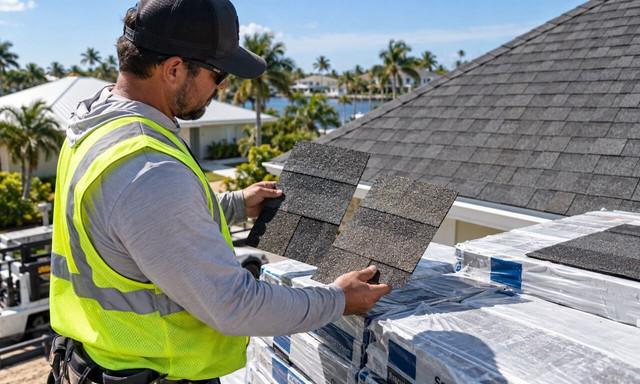
The most effective metal roofing orders follow the sequence in which products are installed. Start with prep categories like underlayment and flashing, then move to main panels, followed by finishing elements such as trim and closures. This method keeps the process simple and repeatable—reducing confusion and minimizing last-minute surprises.
Industry experts stress that “accuracy is the top priority when estimating a metal roofing project. The more detailed and complete your project information is, the smoother the estimating process will be, helping you avoid delays and unexpected costs” (rooferscoffeeshop.com).
By mapping the order to the install sequence, you not only build efficiency but also align with the way crews actually work on-site. This method also aligns with Florida’s building code requirements, further reducing the risk of inspection failures (roofvista.com).
For many, this approach is the shortcut to staying on schedule with every roofing supplier.
The Metal Order Checklist (Category-Level)
A thorough, step-by-step checklist is the backbone of a successful order. It ensures nothing is forgotten and helps prevent costly callbacks or wasted site visits.
Here’s how to build your checklist:
- Panels and Main System: Inventory the exact types and quantities of panels (standing seam, corrugated, galvalume, aluminum) needed for the job.
- Trim and Edge Details: List all necessary trims—eave, gable, ridge caps—ensuring material and profile matches for a consistent look.
- Closures and Accessories: Include inside and outside closures, vented closures for airflow, and any specialty pieces.
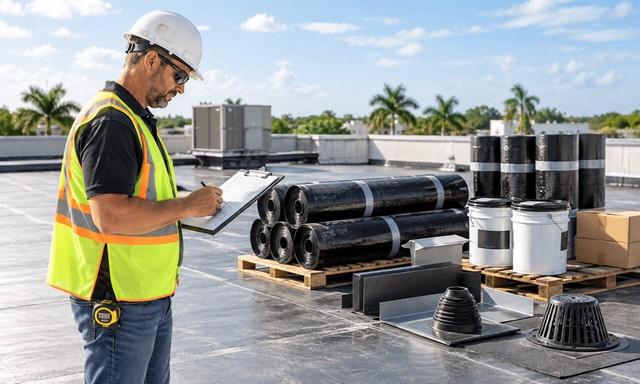
- Underlayment and Waterproofing: Specify underlayment type (synthetic, self-adhering) and required flashing for valleys, penetrations, and edges.
- HVHZ and Miami-Dade Approvals: When working in high-velocity hurricane zones (HVHZ), make sure all specified materials and fasteners meet Miami-Dade or Florida Product Approval standards (roofvista.com).
- Fasteners: Select compatible, corrosion-resistant fasteners with the correct length and thread for Florida’s environment.
- Sealants and Tape: Order butyl tape or silicone sealants for panel overlaps, trims, and penetrations.
- Tools and Consumables: Don’t forget pipe boots, chimney flashings, snips, and safety gear.
- Staging Notes: Plan for protective packaging and separating small parts to avoid loss or damage.
Don’t forget to mention the little things—pipe boots, chimneys, vented or non-vented ridge, synthetic underlayment, tools, etc. (bestbuymetalroofing.com)
Metal Roofing Checklist Contractors Can Reuse
A reusable checklist not only improves order accuracy on the current job, but also serves as a template for future projects. Many Florida contractors report that adopting a category-based checklist helped crews stay organized and reduced on-site confusion, even as project details changed (sheffieldmetals.com).
Checklists also support standardized documentation, which is increasingly important for Florida permitting and inspections (floridaroofauthority.com).
The Measuring Notes That Prevent Wrong Orders
It’s a question nearly every contractor faces: how do you avoid costly mistakes when ordering metal roofing materials?
The answer is accuracy—measure to the inch, and don’t round up. Experts recommend starting by measuring around the perimeter of the roof, then moving to the interior details (bestbuymetalroofing.com).
Double-check every measurement, and ensure all penetrations, edges, and unique details are accounted for. Precise measurements also ensure your fastening and panel layout comply with Florida’s wind uplift resistance requirements (roofvista.com).
This level of precision prevents the all-too-common scenario where crews must pause work to reorder or adjust materials.
Pro tip: Review your measurements and order form with a second set of eyes before finalizing—especially for complex roofs or code-driven projects in Florida.
Staging and Protection for Metal Materials
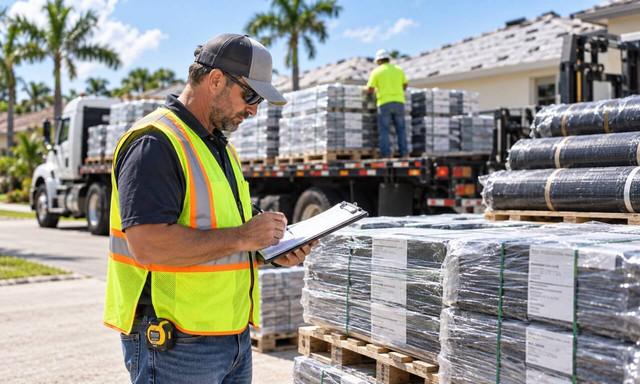
Proper staging, delivery, and storage practices are critical for protecting your materials and keeping labor costs in check. Industry reports stress that improper staging and storage can lead to material damage, project delays, and increased labor costs (tophatroofingfl.com). For example, using mismatched or weather-damaged products due to poor storage can result in weak spots and the need for expensive rework.
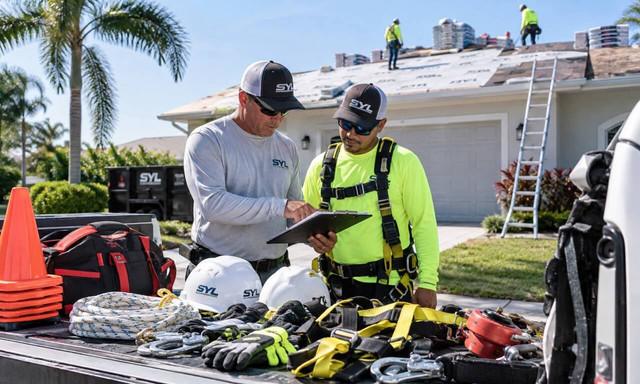
SYL Roofing Supply offers flexible delivery options to help contractors coordinate drop-offs with installation phases, minimizing on-site storage time and reducing risk. Always store materials off the ground, covered, and in a dry area—especially in Florida’s humid climate.
In Florida, code requires specific underlayment types, which must be protected from moisture up to the point of installation (roofvista.com).
As one project case study notes, “Proper staging and storage are crucial to ensure that all materials are available and in good condition, preventing delays and reducing labor costs associated with rework” (sheffieldmetals.com).
Proactive staging and loss prevention may even contribute to insurance savings for compliant projects (pinellasroof.com).
Next Step: From Checklist to Delivery
Once your checklist is complete, attach it to your quote request and communicate with your supplier early. This proactive step streamlines your order, reduces back-and-forth, and helps make sure delivery aligns with your project timeline. Industry experience shows that thorough order planning and communication reduce the likelihood of callbacks and improve overall customer satisfaction (metalconstructionnews.com).
Timely and organized orders also make it easier to take advantage of same-day and Saturday delivery options from your supplier.
To get started, simply attach your checklist and request a quote directly from SYL Roofing Supply—Florida’s trusted partner for metal roofing order planning.
Frequently Asked Questions
What causes most delays on metal roofing jobs?
Most delays come from missing accessories like trim, closures, fasteners, and sealants rather than missing panels. Even one overlooked item can stop installation and force costly supplier runs.
What should be included in a metal roofing order checklist?
A complete checklist should include panels, trim, closures, underlayment, flashing, fasteners, sealants, tape, and related accessories like pipe boots and ridge components. Staging and packaging notes should also be part of the order plan.
Why do measurements matter so much when ordering metal roofing?
Metal roofing orders need precise measurements because even small errors can lead to panel misfits, accessory shortages, and installation delays. Measuring carefully and reviewing the order before submission helps prevent expensive reorders.
Do Florida metal roofing jobs need special approvals?
Yes, many Florida metal roofing jobs require compliance with Florida Product Approval standards, and high-velocity hurricane zone projects may also require Miami-Dade approvals. This is especially important for materials and fasteners used in storm-prone areas.
References
- Best Buy Metal Roofing. (n.d.). Metal Roof Panels Quote and Order Checklist. https://www.bestbuymetalroofing.com/metal-roof-panels-quote-and-order-checklist/
- Fox Haven Roofing. (n.d.). Why Many Florida Metal Roofs Fail and How to Avoid It. https://foxhavenroof.com/why-many-florida-metal-roofs-fail-and-how-to-avoid-it/
- Pinellas Roofing. (n.d.). Metal Roof Cost: Per Square Foot Pricing Guide. https://www.pinellasroof.com/roofing/metal-roof-cost
- Roofers Coffee Shop. (n.d.). Tips for Accurate Metal Roofing Estimates. https://www.rooferscoffeeshop.com/post/tips-for-accurate-metal-roofing-estimates/