
When planning a roofing project in Florida, insulation isn’t just a technical afterthought—it’s a critical factor driven by the state’s hot, humid climate and strict building codes. Florida roofing insulation directly impacts energy efficiency, indoor comfort, and long-term roof performance. Inadequate insulation can lead to moisture accumulation, mold, and higher energy bills, which can even cause inspection failures due to compromised safety and efficiency standards.
As a trusted roofing supply in Florida, SYL Roofing Supply knows that choosing the right insulation makes all the difference for contractors and homeowners. With the Florida Building Code now requiring R-30 or R-38 insulation depending on your region, the stakes for getting it right have never been higher.
Why Insulation Comes Up on Florida Roofs
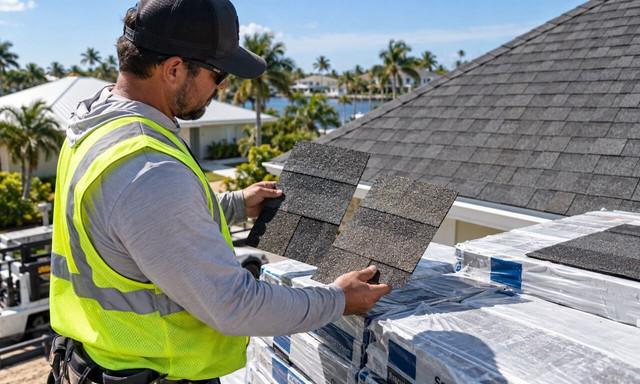
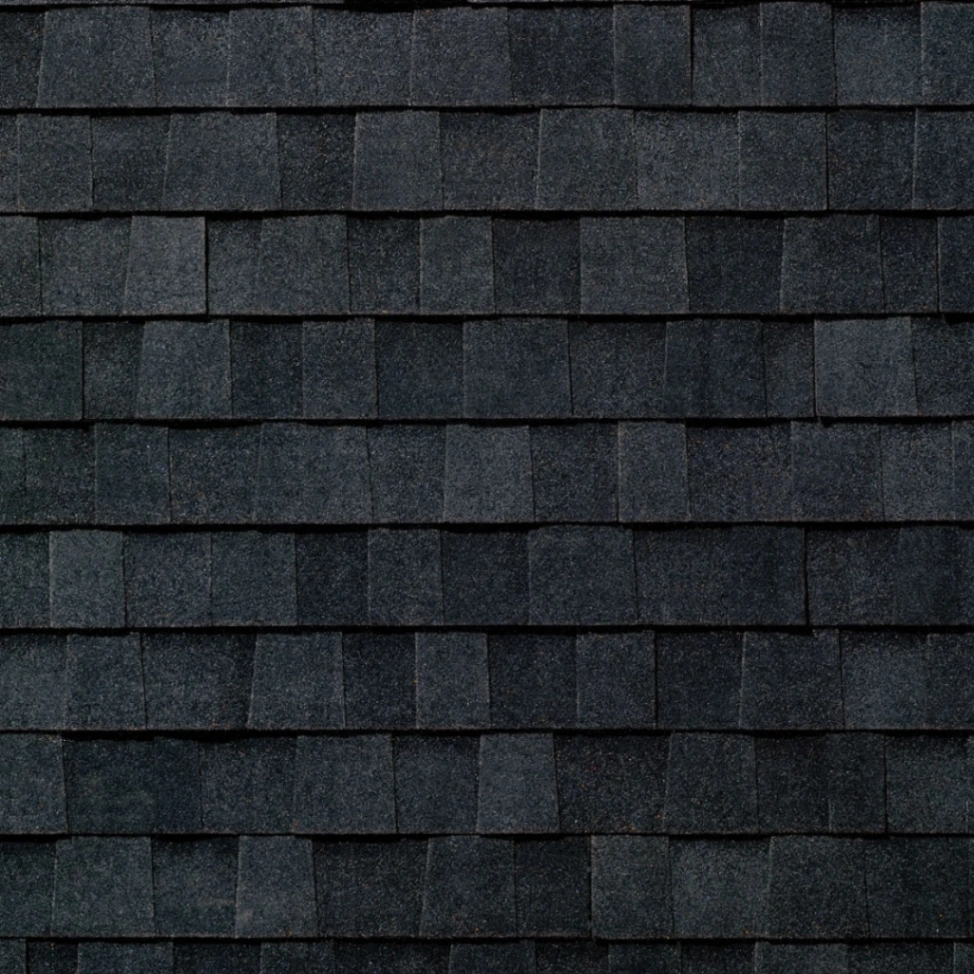
Florida’s relentless heat, high humidity, and the need for year-round comfort put insulation at the center of nearly every roofing conversation. Contractors are increasingly asked about the best roof insulation for Florida’s climate because it directly affects job scope, compliance, and the satisfaction of homeowners. Asphalt shingles account for 72% of roofing materials used in Florida, making insulation vital for performance and longevity.
Put simply: insulation is no longer optional in Florida roofing projects.
Access to the right roofing materials is essential for both meeting code and delivering lasting results. Reflective coatings and light-colored roofs are also popular, with studies showing they can reduce cooling costs by up to 25% (foxhavenroof.com).
There is also a growing trend among homeowners to seek out energy-efficient, durable roofing solutions that can withstand Florida’s unique climate.
When Insulation Is Part of the Roofing Conversation
It’s a question nearly every Florida contractor faces: when is insulation required, and when is it a smart upgrade? The answer comes down to code, comfort, and efficiency. Florida building code roof insulation requirements—such as minimum R-values of R-30 in the south and R-38 in central and north regions—make insulation a mandatory part of new construction, major retrofits, and most roof replacements.
Attic insulation in Florida homes is especially vital, as it helps control indoor temperatures and prevents heat from seeping into the living space. Upgrading insulation during roof replacement is both common practice and a cost-effective way to help homes meet today’s energy standards.
Retrofitting older Florida homes often requires creative insulation solutions due to limited space and existing moisture issues.
The Insulation-Related Categories to Plan (at a High Level)
Modern Florida roofing jobs require careful planning across several product categories:
- Insulation materials: Spray foam insulation remains popular for its moisture resistance and air-sealing ability, while fiberglass batts are valued for their cost-effectiveness and ease of installation.
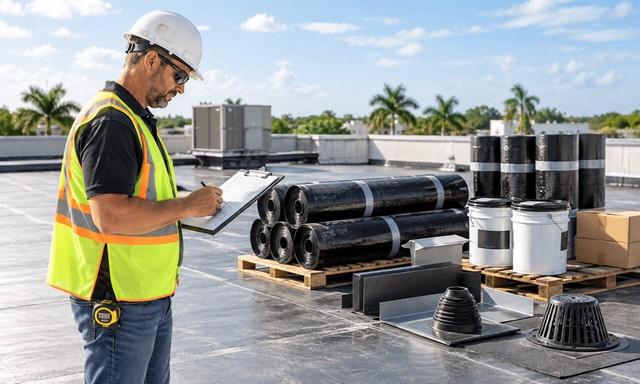
- Underlayment and moisture barriers: Synthetic underlayments offer improved moisture resistance compared to traditional felt, helping protect against Florida’s frequent rain. Traditional asphalt-saturated felt underlayments are prone to moisture absorption and tearing, making synthetic options preferable in Florida.
- Sealing and accessory products: Vapor barriers and quality adhesives are crucial for controlling humidity and preventing thermal bridging.
Moisture-resistant roof insulation Florida is more important than ever—especially when battling the state’s constant humidity. Spray foam insulation, for example, is now used in approximately 10% of Florida residential roofing projects (zipdo.co).
Quick Checklist to Avoid Missing the Related Items
Insulation Planning Checklist (Roofing Scope)
- Assess job type and roof system: New construction, retrofit, or replacement projects may each require different insulation approaches.
- Choose insulation category needed: Select the right material (e.g., spray foam, fiberglass) for the specific application.
- Include moisture and sealing categories: Don’t overlook underlayments, vapor barriers, and sealants.
- Check companion accessories: Fasteners, adhesives, and ventilation products are often missed.
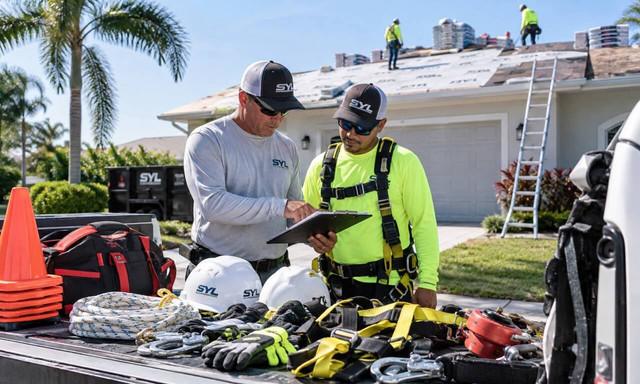
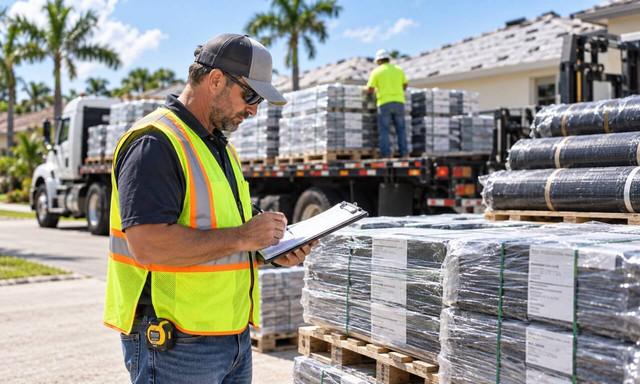
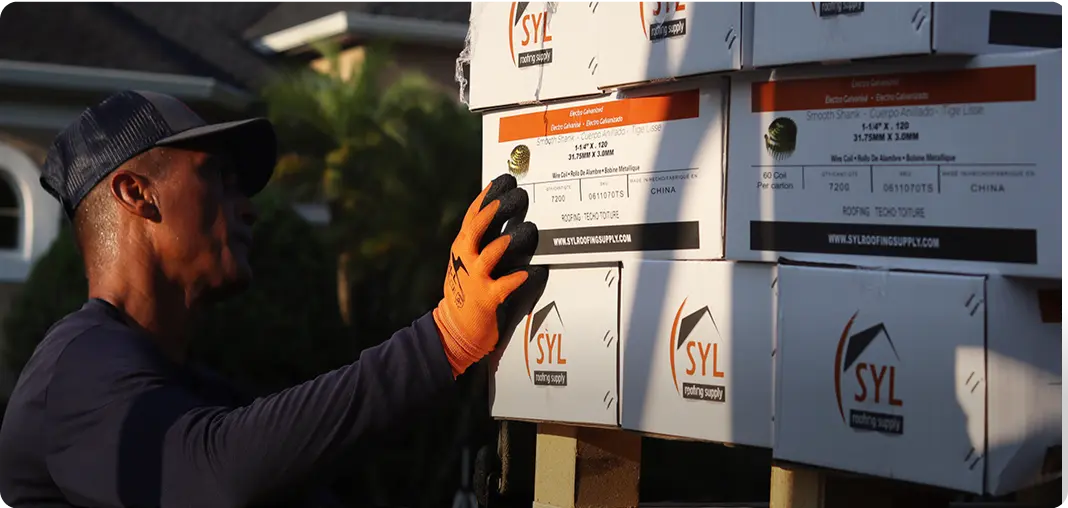
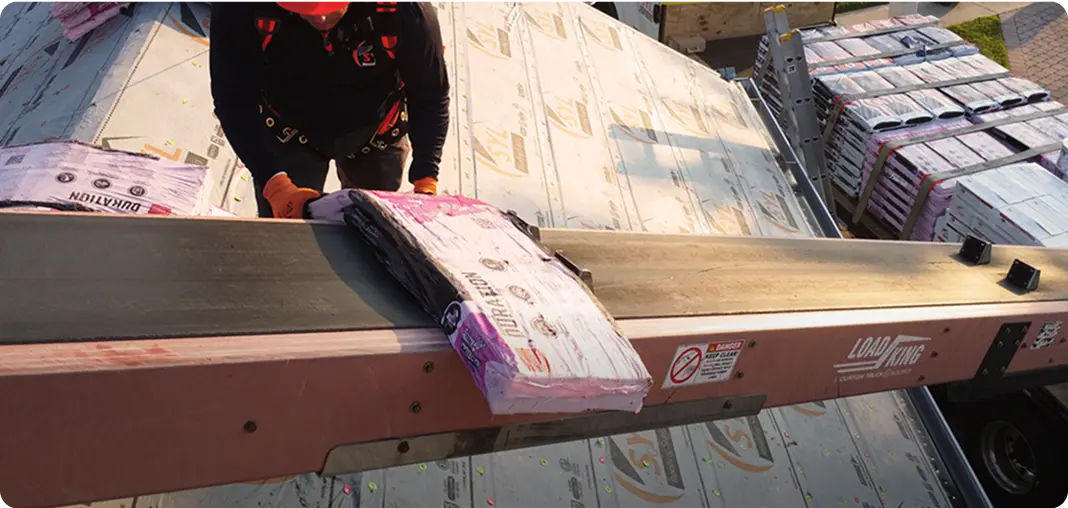
- Stage and protect materials for delivery day: Coordinate with your supplier to store and handle products correctly. Schedule material deliveries around Florida’s frequent rain to prevent storage problems or installation delays.
- Decide on pickup vs. delivery: For larger jobs, scheduling delivery can save time and prevent on-site shortages.
Double-checking material lists and using detailed checklists are recognized best practices in construction. This proactive approach can minimize errors and reduce the likelihood of callbacks or delays.
How Insulation Planning Connects to Ventilation Planning
Too often, contractors focus on adding more insulation without accounting for the critical role of ventilation. In Florida’s humid climate, inadequate attic ventilation combined with high R-value insulation can trap moisture, leading to mold growth, wood rot, and premature roof deterioration (bentleyroofing.com).
The key takeaway: vapor barrier roof insulation Florida and proper ventilation are both required by code for effective moisture management.
For more details on related options, see our ventilation and accessories category.
Older homes may also face pest intrusion or outdated ventilation systems, compounding moisture risks.
Next Step: Plan, Quote, and Deliver
Ready to get started? The cost of roof insulation in Florida can vary widely based on material, roof type, and project size, but investing in energy-efficient roof insulation Florida offers lasting returns through lower energy bills and a more comfortable home.
To move forward, request a quote for your project today, browse our roofing materials categories, and work with the SYL experts for tailored material lists and delivery scheduling. Partnering with a reputable supplier means you get the right products, delivered on time, every time.
Download the SYL App for easy product ordering, real-time tracking, and app-exclusive deals throughout your project.
Frequently Asked Questions
When is roof insulation required in Florida?
Roof insulation is typically required for new construction, major retrofits, and many roof replacement projects based on current Florida code. Required R-values can vary by region, so the project location and scope both matter.
What type of roof insulation is best for Florida?
The best option depends on the job, but spray foam is often chosen for moisture resistance and air sealing, while fiberglass remains a common budget-friendly option. The right choice depends on the roof system, performance goals, and space available.
Why does ventilation matter when planning roof insulation?
Insulation and ventilation work together to control heat and moisture. In Florida, poor ventilation can trap humidity and lead to mold, wood rot, and premature roof problems even if insulation levels are high.
What materials should be planned along with insulation?
In addition to insulation itself, contractors should also plan for underlayment, moisture barriers, vapor barriers, sealants, adhesives, fasteners, and ventilation products. These companion items are often what determine whether the system performs correctly.
References
- Bentley Roofing. (n.d.). Why Proper Roof Ventilation Saves You Thousands in Florida’s Climate. https://bentleyroofing.com/why-proper-roof-ventilation-saves-you-thousands-in-floridas-climate/
- FoxHaven Roofing. (2026). Florida Roofing Trends 2026: What Homeowners Need to Know Now. https://foxhavenroof.com/florida-roofing-trends-2026-what-homeowners-need-to-know-now/
- ZipDo Education Reports. (2026). Florida Roofing Industry Statistics. https://zipdo.co/florida-roofing-industry-statistics/
- Florida Roofing and Gutters. (2025). Florida Roof R-Value Code 2025: What Homeowners Must Know. https://floridaroofingandgutters.com/blog/florida-roof-insulation-r-value-code/