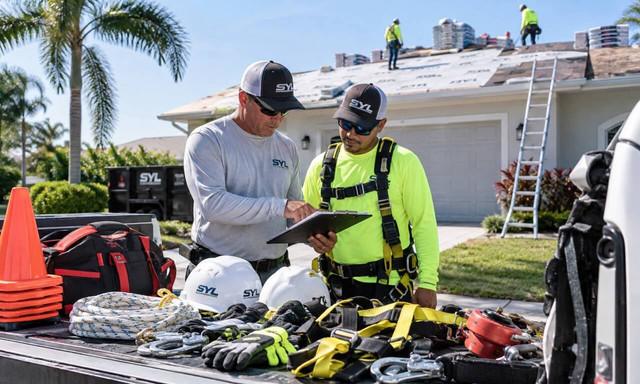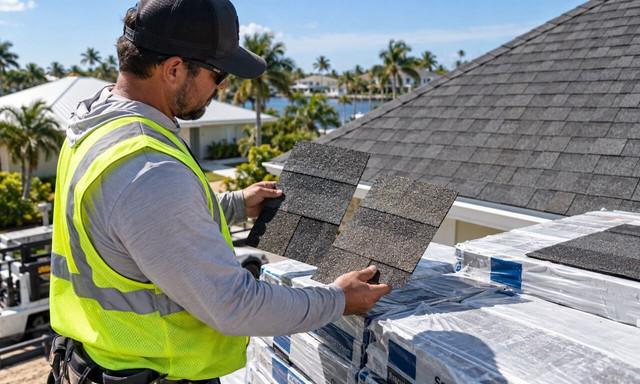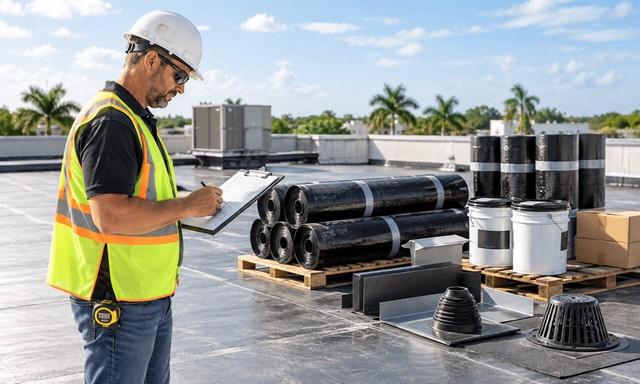

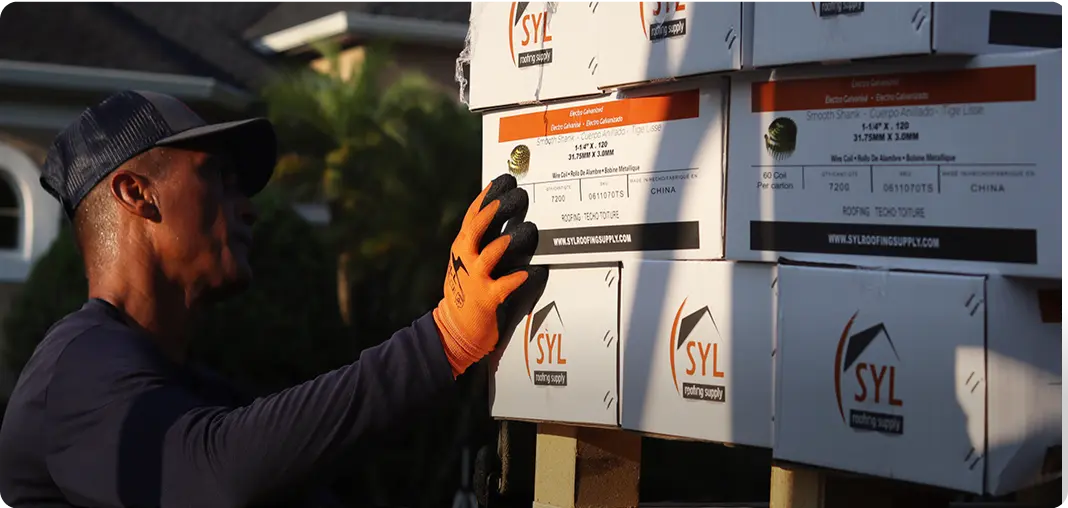
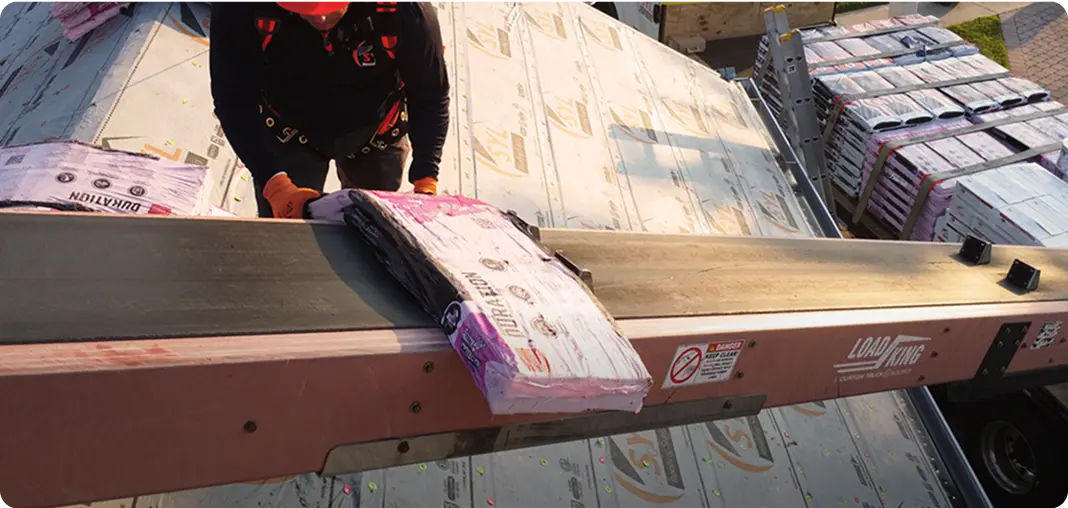

Ventilation issues often show up at the worst time: when the crew is already on the roof and one small part is missing. A vent, baffle, fastener, flashing detail, or sealant can be the difference between a smooth install and a jobsite delay.
Roof ventilation planning should not be treated as a small add-on at the end of the order. It should be planned with the roofing system from the start.
Ventilation is not just a roof performance detail. It is also an ordering detail.
For Florida contractors, working with a roofing supply built for roofers helps keep ventilation planning tied to real jobsite needs, not just the main material list.
Why Ventilation Planning Becomes a Material Problem on Job Day
A balanced roof ventilation system depends on more than the vent itself. The job may also need baffles, sealants, fasteners, flashing, underlayment details, and staging instructions so small parts do not disappear on site.
When ventilation is planned late, crews can run into common problems:
- intake vents are missing
- exhaust vents do not match the system
- fasteners are not compatible
- baffles were not included
- sealants or flashing accessories were left out
- small parts were delivered but not staged clearly
These are not usually design problems. They are order planning problems.
Before the order is placed, contractors should review the related roofing material categories so the ventilation package is treated as a complete system.
Intake vs Exhaust, Explained in Jobsite Language
Intake and exhaust vents work together. One brings air in. The other lets air out.
Intake vents allow fresh air to enter the attic from lower points on the roof system, often through soffit or edge venting.
Exhaust vents allow warm, moist air to escape near the top of the roof, often through ridge vents, box vents, turbine vents, or powered vents.
A roof with exhaust but weak intake can still have ventilation problems. A roof with intake but not enough exhaust can also fail to move air properly. The job needs balance.
In Florida, heat and humidity make this planning even more important. Ventilation decisions affect roof performance, moisture control, and long-term system health. Contractors should also check the roof system, manufacturer guidance, and local requirements before finalizing the ventilation order.
The Ventilation-Related Categories to Order Together
A ventilation order should not stop at “vents.” It should include the related categories that make the system installable.
Plan these categories together:
- intake vents, such as soffit or edge vents
- exhaust vents, such as ridge, box, turbine, or powered vents
- baffles where airflow paths need to stay open
- flashing and compatible accessories
- sealants rated for the system and conditions
- fasteners matched to the vent type
- underlayment or detail materials tied to penetrations
This is where a checklist helps. If a material creates an opening, transition, or airflow path, the accessories matter.
For crews coordinating timing, SYL’s jobsite delivery planning can help keep vents and small parts with the rest of the job order instead of turning into a second run.
Ventilation Planning Checklist
Use this category-level checklist before placing the order.
Confirm the roof system.
Identify whether the job is shingle, metal, tile, TPO, low-slope, or another system.
Check intake needs.
Identify whether soffit vents, edge vents, or another intake option is required.
Check exhaust needs.
Match ridge, box, turbine, or powered vents to the roof design and project requirements.
Add the small parts.
Include baffles, sealants, flashing, fasteners, caps, and compatible accessories.
Plan staging.
Keep small parts labeled and grouped by roof area or install phase.
Review delivery timing.
Small parts should arrive with the main order or be clearly separated so they are not misplaced.
A complete ventilation order prevents the crew from losing time over a part that should have been planned with the system.
Delivery and Staging Notes So Vents Do Not Disappear on Site
Ventilation accessories are easy to lose on a busy jobsite. Small boxes, fastener bags, baffles, and specialty parts can get separated from the main load.
To reduce that risk:
- label ventilation parts by job
- keep small accessories in one marked bin or box
- stage vents away from debris and foot traffic
- confirm who is responsible for checking the delivery
- keep documents and material notes with the staged supplies
If the job is time-sensitive, pair the ventilation order with same-day delivery, next-day, or Saturday options when available so the crew is not waiting on small parts after the main materials arrive.
Next Step: Plan the Ventilation Package Before the Order Goes Out
Before placing the next order, review intake, exhaust, sealants, fasteners, baffles, and staging needs together. Ventilation works as a system, and the order should reflect that.
If you are building the material list now, use SYL’s browse roofing product categories page to review related roofing materials before scheduling delivery. For crews that need extra help confirming categories or communicating details, SYL also offers contractor support in English and Spanish.
FAQ
What is the difference between intake and exhaust vents?
Intake vents bring fresh air into the attic from lower areas, while exhaust vents let warm, moist air leave near the top of the roof. A balanced system needs both to support proper airflow.
Why should ventilation materials be ordered together?
Ordering vents without the related fasteners, baffles, sealants, flashing, and accessories can delay the job. These smaller materials are often what make the ventilation system installable on the roof.
What ventilation parts are most often forgotten?
Commonly missed items include baffles, specialty fasteners, sealants, flashing accessories, and small connectors tied to the vent type. These parts should be checked before the order is finalized.
How can contractors avoid losing small ventilation parts on site?
Label the parts, stage them together, keep them in a marked box or bin, and assign one person to confirm they arrived with the delivery. Staging is just as important as ordering.
References
- National Roofing Contractors Association. Attic ventilation guidance. https://www.nrca.net/consumer/ventilation
- Autodesk. Common construction cost overruns. https://www.autodesk.com/blogs/construction/common-construction-cost-overruns
- Metalink. Common roofing issues that delay construction projects. https://metalink.com.ph/blogs/common-roofing-issues-that-delay-construction-projects
- Leap to Digital. Roofing installation problems. https://leaptodigital.com/blog/roofing-installation-problems