

A roofing product can be familiar, available, and still require a closer document check before it belongs on a specific Florida order. The brand name alone does not tell you whether the exact product, intended use, approval record, and project documents line up.
That is why product approval review belongs early in the ordering process. It gives the contractor, project team, and supplier a clearer set of details to compare before pricing is finalized or materials move.
This guide provides a practical ordering workflow. It does not replace the current project documents, manufacturer information, or direction from the applicable design professional, building official, or local authority.
TL;DR
- Confirm the exact product or system, not only the brand or broad material category.
- Match the current approval record to the intended use and project information.
- Review the coordinated components instead of checking only the most visible material.
- Keep the approval reference, open questions, and final order version in one job file.
- Resolve mismatches before releasing the order or coordinating fulfillment.
Why Product Approval Checks Belong in the Ordering Process
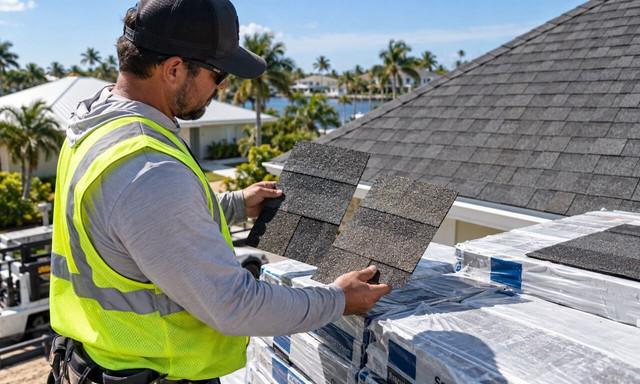
A request such as “we need the approved shingles” sounds complete until someone has to match it to an exact product, use, and job. A practical review starts by identifying the correct roofing product categories, then narrowing the request to the product information and documentation tied to the project.
Florida maintains a statewide product evaluation and approval system in coordination with the Florida Building Code. The current Florida product approval search allows a public user to search by an FL number, manufacturer, code version, and other criteria. That search record is useful, but it still has to be read in the context of the job.
A recognizable product name is a starting point, not the completed approval check.
Moving this review ahead of final pricing and fulfillment gives everyone a chance to identify a mismatch while the order can still be clarified. It also creates a cleaner record of what was checked and which questions remain open.
Start With the Exact Roofing System and Job Conditions
The review gets easier when the material request is specific. “We need shingles” leaves the roof system, product identity, project location, intended application, and referenced documents unresolved. A useful request connects those known details and labels the items that still need confirmation.
Start with the project documents and the information already supplied by the responsible project team. Record the project address, roof system, known scope, intended application, existing substrate or deck information when relevant, and any product references already named. Then use those details to browse roofing materials by the correct category without treating the category page as proof that a particular item fits the job.
Clear communication matters here. The contractor checklist in Roofing Supply in Florida: What Contractors Should Look For in a Materials Partner explains why document support and a complete request are part of a useful supplier relationship. The supplier can help organize the material conversation, while project-specific approval and permitting decisions remain with the appropriate responsible party.
Put every unknown on a questions list. That is more useful than filling a gap with an assumption that later becomes part of the order.
Read the Approval Record Before Finalizing the Order
Florida Statutes section 553.842 describes a statewide product evaluation and approval system and includes roofing among the product categories addressed by statewide approval methods. The statute also ties use of an approved product to the conditions of its approval. For the ordering team, the practical lesson is simple: check the current record and supporting material, then compare them with the planned use instead of relying on an approval number by itself.
Product Identification
Compare the manufacturer name, product name, model reference, revision, and other identifying information shown in the record with the material being requested. Similar names or products from the same family should not be treated as interchangeable without documentation supporting that conclusion.
If the order, project documents, and approval record use different identifiers, pause and clarify which one controls. Record the answer so the estimator, purchaser, and field team are working from the same information.
Approved Use and Limitations
Review the stated intended use, conditions, limitations, and referenced application information at a high level. The goal is not for the supplier or article reader to interpret an assembly or make an engineering decision. The goal is to notice when the planned use and the record do not appear to describe the same thing.
Any question involving a specific roof, design condition, assembly, or local requirement should go back to the current project documents and the appropriate project professional or authority.
Supporting Documents and Current Status
Check the current status and code version shown in the official record, along with the evaluation material, installation information, or other documents referenced by that record. Save the relevant version with the job instead of relying on an old download, screenshot, or forwarded attachment with no date.
Do not copy long technical passages into the order notes. Record the exact document reference, the point that was checked, the open question, and the person responsible for resolving it.
Match the Components to the Intended Roof Assembly
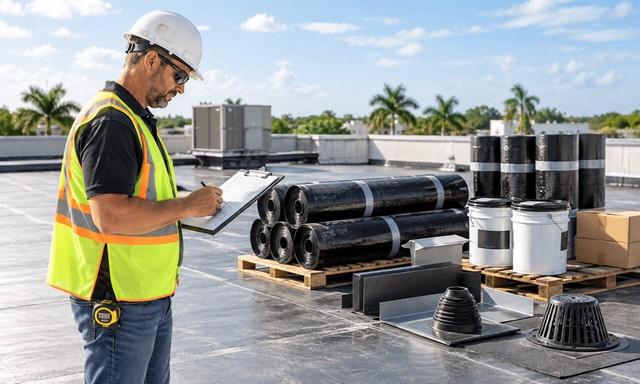
Checking the primary roof covering alone can leave the rest of the material plan disconnected. A roof system may also involve underlayment or waterproofing, starter or edge components, fasteners, ventilation, adhesives, coatings, flashing, and other accessories, depending on the project.
That does not mean every category belongs on every order. It means the team should compare the complete planned system with the project documents and applicable manufacturer information before assuming that one approved component settles every other selection.
The approval review should follow the system being ordered, not stop at the headline material.
When component information does not align, the right next step is clarification. Do not substitute a familiar product, combine components, or describe an assembly as approved without current documentation supporting that project-specific decision.
Build a Simple Approval-Ready Ordering File
The approval review is easier to manage when its key information stays with the order. A single job folder or record prevents the FL number, material request, open questions, and final order version from being scattered across emails, texts, and downloads.
Keep the file focused:
- Project address and a short scope summary
- Exact material or system request and current order version
- Relevant approval number, record, and supporting document references
- Project documents or instructions used for the comparison
- Open questions, their owners, and recorded answers
- Name or role of the person responsible for final confirmation
- Date the material request was released for pricing or fulfillment
The same record can support a cleaner quote request. Roofing Material Quotes: The Exact Job Details Contractors Should Send to Get Pricing Faster shows how job details and an organized material list reduce avoidable back-and-forth before an order is finalized.
Use simple version labels so an older request does not return after a correction. If the material identity or documentation changes, update the version, note what changed, and retire the earlier copy from the active workflow.
Complete a Final Confirmation Before Materials Move
The final check should confirm the order and its documentation at the same time. It is not another technical review. It is a short control that makes sure unresolved questions have not been carried into fulfillment.
Before releasing the order:
- Confirm the exact requested product or system identifiers.
- Confirm the current approval record and supporting document references used for the review.
- Compare the coordinated material categories with the intended roof system.
- Resolve or assign every mismatch and open question.
- Record the final decision and current order version.
- Coordinate pickup or delivery only after the documented confirmation process is complete.
If project documents, manufacturer information, or direction from the applicable professional or authority differs from this general workflow, that project-specific information controls. SYL can help contractors organize the known material categories and order details, but the final job-specific review belongs with the responsible project team.
Frequently Asked Questions
What is a Florida roofing product approval?
It is a record within Florida's product evaluation and approval process that identifies a product or system and connects to approval information and supporting documents. The record does not replace the complete project-specific review.
Is a product approval number the same as a building permit?
No. A product approval record and a project permit serve different functions. Permit requirements and the acceptability of a product for a specific project should be confirmed through the applicable project documents, professionals, building official, or local authority.
Where should contractors confirm a roofing product's approval information?
Use the current official Florida product approval record, manufacturer documentation, and the project's governing documents. Supplier support can help organize the request, but it should not replace the final project-specific decision.
What job details should be checked before ordering an approved roofing product?
Confirm the project location, roof system, intended use, scope, exact product identity, referenced approval documents, coordinated components, and any requirements already supplied by the responsible project team. Keep unresolved items out of the final order until the right party addresses them.