
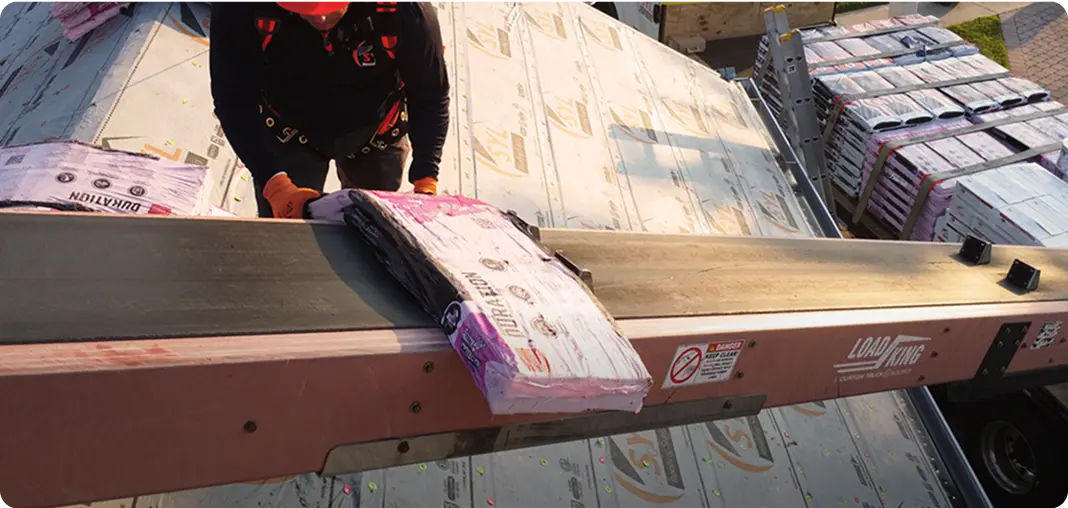
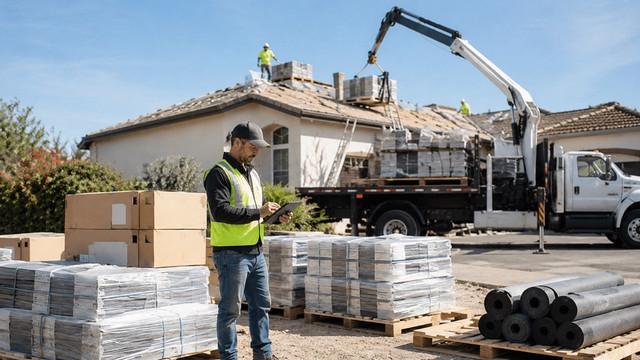
Rooftop vs ground-level roofing material delivery is a placement decision, not just a truck preference. The right request depends on the material, roof readiness, site access, staging plan, receiving crew, weather, and the delivery options available for that order.
A rooftop drop can reduce later material movement when the roof and site are ready for it. A ground-level drop can give the crew more control when roof conditions, loading locations, access, or installation timing are still changing.
The best choice is the one that the contractor, site team, and logistics team can define clearly before the truck arrives.
TL;DR
- Choose the drop method separately from the delivery date and time.
- Use rooftop placement only after roof readiness, loading locations, access, equipment, and responsibilities have been reviewed.
- Use a ground-level drop when it offers a clearer receiving, protection, and movement plan for the job.
- Give dispatch photos, access notes, material groups, contacts, and a backup location.
The Choice Is About Placement, Not Just Arrival
Same-day, next-day, and scheduled delivery describe timing. Rooftop and ground-level delivery describe where the materials are placed. Treating those as separate decisions makes the request easier for everyone to review.
SYL’s current roofing delivery services page lists on-the-roof and ground-level delivery along with conveyor belt trucks, knuckle boom trucks, flatbeds, and jobsite forklifts. That does not mean every option or vehicle fits every order. Equipment and placement remain subject to material type, location, site conditions, scheduling, route, and current availability.
Start by defining the placement objective. Do you want materials distributed to approved roof locations, placed in one ground staging area, divided by building, or separated by phase? A clear objective is more useful than requesting a truck by name.
Compare the Two Drop Methods Against the Job
| Decision factor | Rooftop delivery question | Ground-level delivery question |
|---|---|---|
| Readiness | Is the roof ready to receive the assigned materials at approved locations? | Is a stable, accessible staging area ready before the truck arrives? |
| Material movement | Will planned placement reduce later handling without disrupting the roof sequence? | Does the crew have a practical plan to move materials from staging to the work area? |
| Site access | Can the logistics team review reach, setup, overhead conditions, and delivery access? | Can the vehicle reach the drop zone without blocking needed access or damaging the surface? |
| Protection | Can the roof covering, underlayment, and placed materials be protected? | Can materials be kept organized, supported, and protected from traffic and weather? |
| Receiving | Is an authorized site contact ready to confirm locations and material groups? | Is someone ready to verify counts, locations, and the movement plan? |
| Backup plan | Is there an approved ground location if rooftop placement cannot proceed? | Is there another ground location if the primary zone becomes unavailable? |
Neither column is automatically better. The comparison should expose which questions are unresolved while there is still time to change the plan.
When a Rooftop Drop May Fit the Workflow
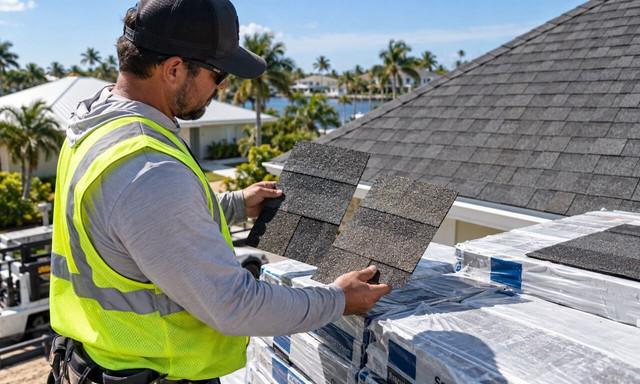
Rooftop placement may fit when the roof is ready, the receiving locations have been established by the responsible project team, the material groups can be identified, and the site gives the delivery team a workable setup. It can be especially useful when later movement from the ground would add a separate handling step.
The request needs more than an address. Share roof and building photos, height and access information, overhead or street conditions, desired placement areas, material groups, crew contacts, and any site-specific requirements. The checklist in Scheduling Roofing Material Deliveries explains why dispatch details and site changes need to be communicated before the drop.
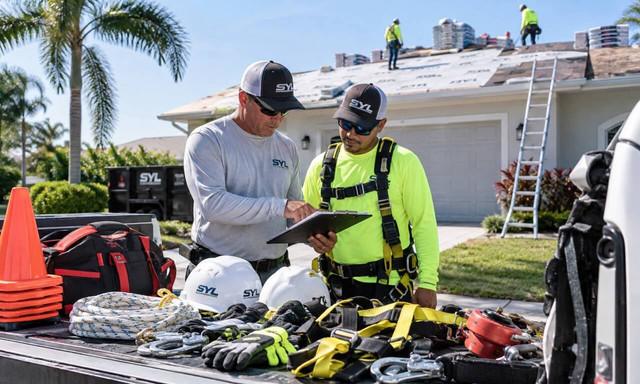
Rooftop unloading also involves safety responsibilities. OSHA has addressed fall-protection obligations for roofing material vendors whose employees work on a roof, while the contractor and site team retain their own responsibilities. Confirm the controlling site plan, applicable requirements, waiver or authorization process, and responsible parties instead of treating delivery as a transfer of safety control.
When a Ground-Level Drop May Be the Cleaner Choice
Ground-level placement may be the better request when the roof is not ready, approved load locations are unresolved, site or weather conditions are changing, or the crew wants materials separated by phase before they are moved upward.
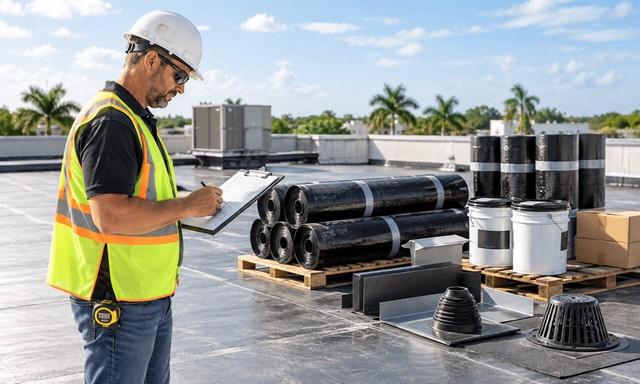
The ground still needs a plan. Identify a stable and accessible drop zone, keep it clear of traffic and other trades, account for drainage and weather exposure, and decide how the material will move to the work area. Do not treat “leave it by the building” as a complete instruction.
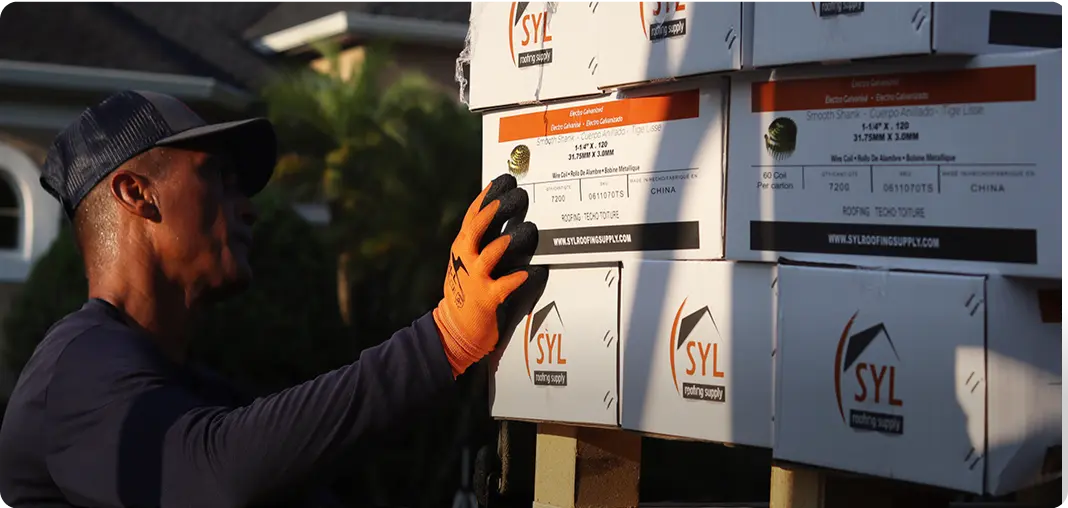
A good ground plan also preserves order. Use the methods in Roofing Material Staging to separate major materials, trim, fasteners, flashing, tools, and small parts so the crew is not rebuilding the order at the start of installation.
Give Dispatch a Site-Ready Delivery Brief
Send the delivery brief when the order is scheduled, then update it when the job changes. Include:
- Job address and delivery date request
- Primary and backup site contacts
- Rooftop or ground-level placement request
- Material groups and desired placement by group
- Building, roof, access, gate, street, and drop-zone photos
- Known height, reach, surface, overhead, and traffic conditions
- Roof readiness, crew timing, and other trades on site
- Primary drop location and a workable backup location
- Site authorizations, restrictions, or documentation already identified
Use SYL’s jobsite delivery planning support to review the request with our team. We can coordinate the known logistics, but final equipment and placement availability cannot be confirmed from a generic checklist alone.
Assign the Receiving Handoff
One person should be ready to receive the order and communicate with the driver or delivery team. That contact needs the final material list, approved placement plan, backup plan, and authority to pause the handoff if the site no longer matches the delivery brief.
Separate receiving from installation. At delivery, verify the material groups, visible condition, quantities or package counts available to confirm, and placement. Installation acceptance and technical suitability still need to follow the contractor’s normal project review.
If the order is split across roof and ground locations, label that division in advance. A verbal change made while the truck is waiting can create confusion about which materials belong where.
Reconfirm the Site Before the Truck Rolls
Jobsites change. Recheck access, parked vehicles, surface conditions, overhead conflicts, roof readiness, weather, crew presence, and the receiving contact before dispatch. Send updated photos when a change affects the original plan.
Our logistics team can then review the current request and available options. A five-minute confirmation is more useful than asking the driver to solve a different jobsite plan on arrival.
Frequently Asked Questions
Is rooftop roofing material delivery available for every job?
No. Availability depends on the material, order, location, access, roof and site conditions, equipment, scheduling, documentation, and current logistics review.
Is a rooftop drop always faster for the crew?
Not always. It may reduce later movement when placement matches the installation plan, but poor placement or an unready roof can create new handling and coordination problems.
What information should be sent for a ground-level drop?
Send the exact staging location, access route, surface conditions, material-group plan, weather protection plan, receiving contact, site photos, and a backup location.
What happens if the site changes before delivery?
Contact the logistics team as early as possible with updated photos and instructions. The placement method, timing, equipment, or drop location may need to be reviewed again.