
A low-slope roofing job can move smoothly when the full order is planned before the crew gets to the site. It can also slow down fast when one accessory, adhesive, fastener, or edge detail is missing.
For TPO and other low-slope roofing systems, the order is not just membrane. Contractors also need to think through insulation, cover board, adhesives, fasteners, flashing, edge details, drainage components, staging, storage, and delivery timing.
This is not just a materials list. It is an order-planning workflow that helps contractors confirm what the crew will need before the first material is installed.
A complete TPO order should follow the jobsite plan, not just the product list.
For Florida contractors planning low-slope work, SYL Roofing Supply offers low slope roofing categories along with delivery support for crews working around weather windows, jobsite access, and install schedules.
Start With the Roof and Jobsite Conditions
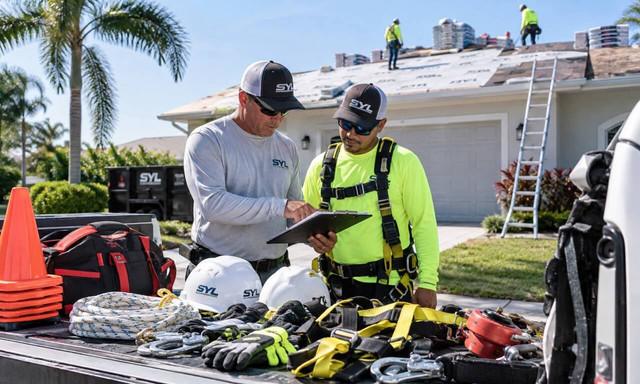
Before building the order, start with the actual job conditions. The right low-slope package depends on the roof, the site, the crew schedule, and how the materials will be installed.
Review these details first:
- roof size and scope
- slope and drainage
- access and staging space
- weather window
- attachment method
- insulation and cover board requirements
- edge and penetration details
- delivery timing
- crew schedule
- storage limitations
Florida contractors also have to plan around heat, rain, wind exposure, and local requirements. Materials may need to be protected, staged carefully, or delivered closer to the install window so they are not sitting exposed on site.
For jobs where timing matters, SYL’s schedule delivery options can help contractors coordinate material drops around crew availability and jobsite access.
Build the TPO Order Around the Install Sequence
A TPO order should be planned around how the roof will actually be installed. That makes it easier to catch missing categories before the job starts.
Think through the order in sequence:
Substrate and prep materials
Confirm what is needed before the main roofing system goes down.
Insulation and cover board
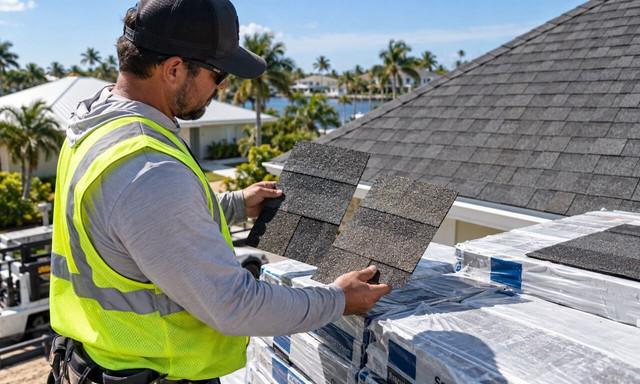
Match the board type, thickness, and performance needs to the project requirements.
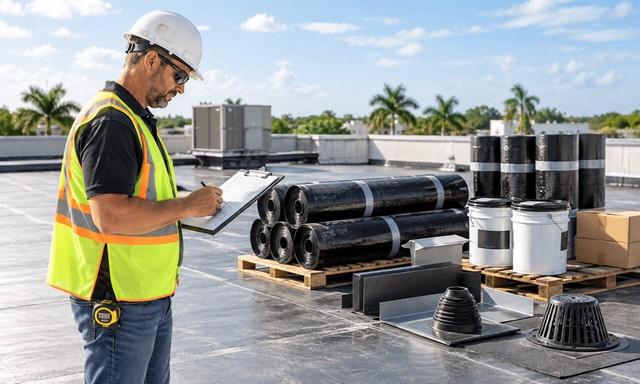
TPO membrane
Confirm thickness, width, color, manufacturer guidance, and project specifications.
Attachment materials
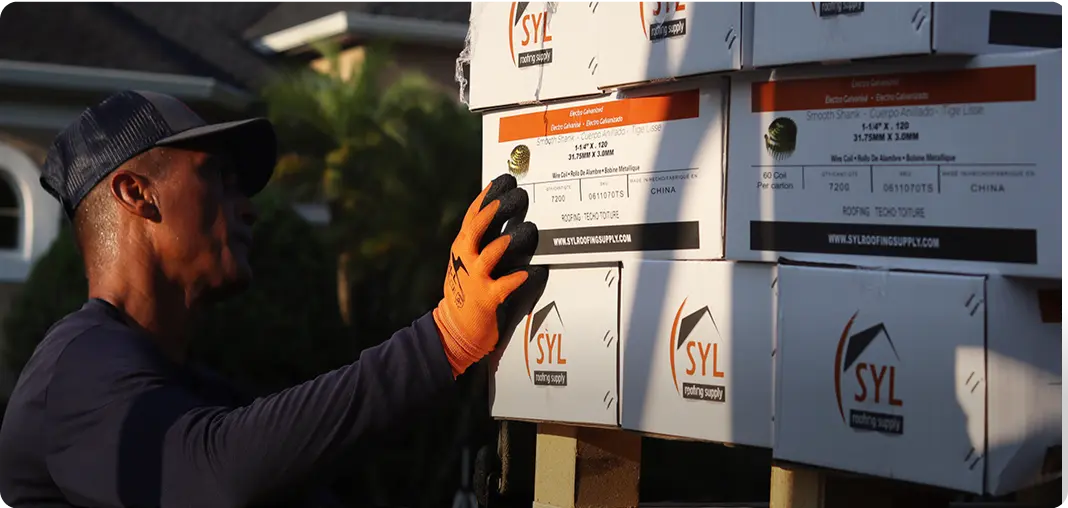
Plan the correct fasteners, plates, adhesives, and related products based on the attachment method.
Flashing and edge details
Review roof edges, corners, walls, curbs, penetrations, transitions, and terminations.
Drainage components
Check drains, scuppers, strainers, and any related hardware.
Walkway pads and protection items
Plan for service areas, traffic paths, and places where the roof may need added protection.
Planning this way helps contractors avoid thinking of the order as only “membrane plus a few extras.” The full system needs to be ready when the crew reaches each step.
Before finalizing the order, use SYL’s roofing material categories page to check that the low-slope package includes the main materials and the companion products needed to install them.
Check the Accessories That Often Get Missed
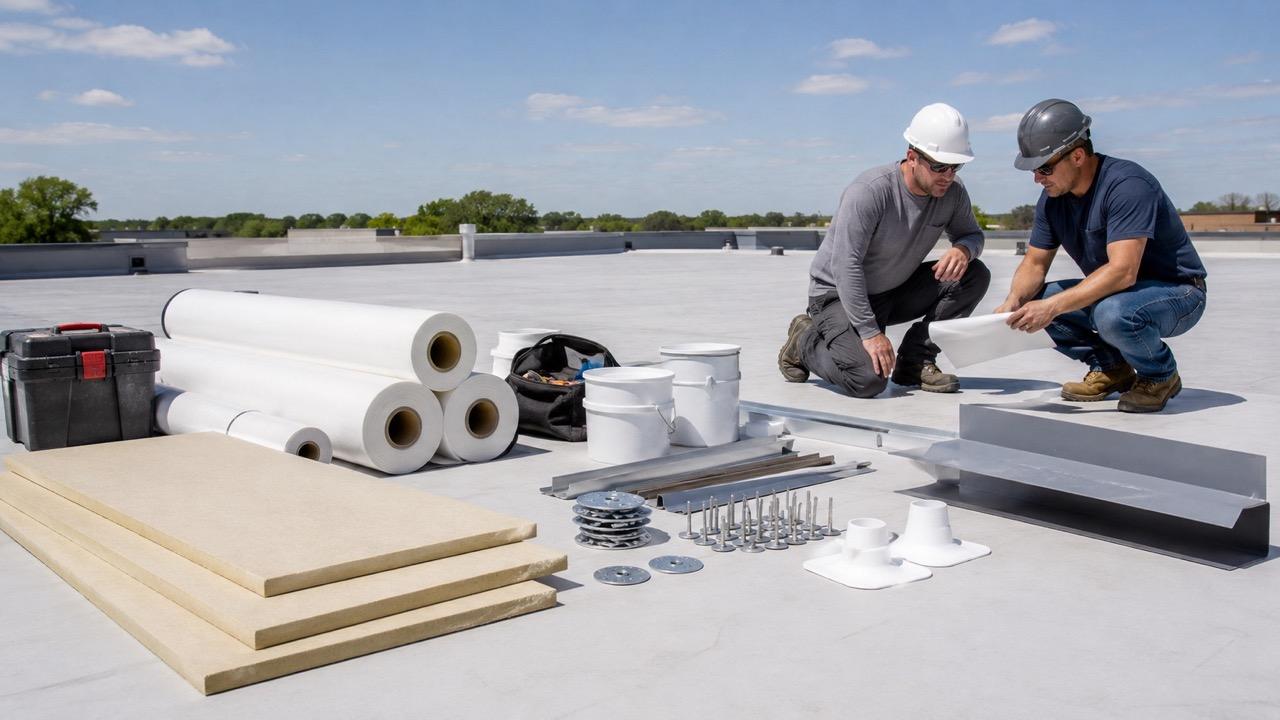
Low-slope roofing jobs often get delayed by small parts, not the main membrane. A roll of TPO may be on site, but the job can still stall if the crew is missing a detail product needed at a specific step.
Commonly missed items include:
- fasteners and plates
- compatible adhesives
- seam tools and detail accessories
- termination bars
- flashing tape
- pipe boots
- penetration details
- drain accessories
- edge metal components
- sealants
- walkway pads
- safety items
These items may seem small during ordering, but they become critical during installation. If the crew reaches a drain, curb, wall, penetration, or roof edge and the right accessory is missing, the job may stop until someone makes another run.
That is why low-slope orders should be reviewed as a complete install package, not as separate product categories.
Plan Delivery, Storage, and Crew Handoff
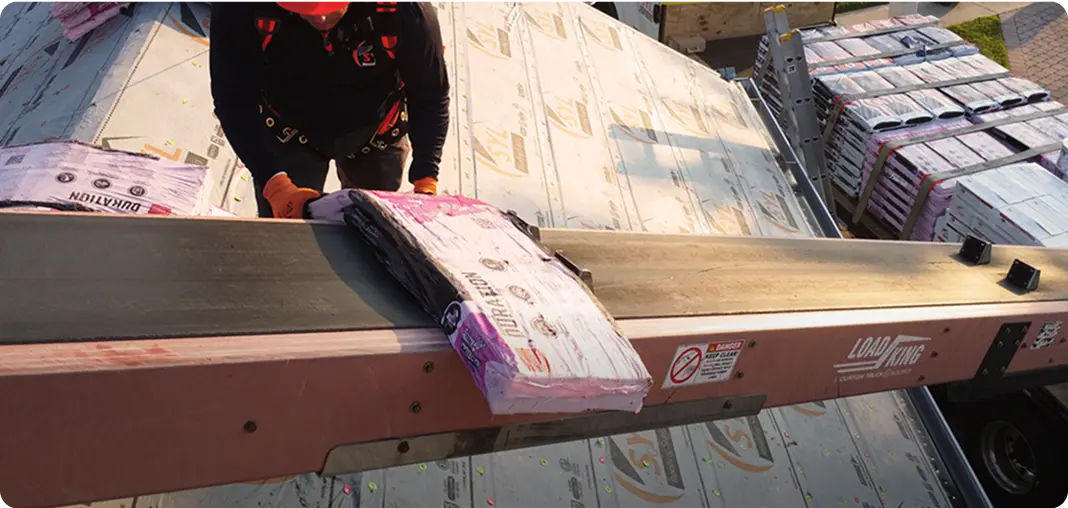
Delivery planning is part of the order. Low-slope materials are often bulky, heavy, weather-sensitive, and sequence-dependent. If materials arrive at the wrong time or get staged in the wrong place, the crew may lose time moving, sorting, or protecting them.
Before delivery, confirm:
- where membrane rolls should be placed
- where insulation and cover boards should be staged
- how adhesives and sealants should be protected
- what needs to stay dry
- what needs shade or temperature protection
- who will receive the order
- who will check the delivery
- what gets installed first
- what should be easiest for the crew to access
Materials that arrive too early can create storage problems. Materials that arrive too late can leave the crew waiting. A better plan is to match delivery timing to the install schedule, site access, and weather window.
For contractors managing tight timelines, SYL’s roofing delivery services can help align material drops with the jobsite plan.
Final Review Before You Submit the Order
Before placing the order, review the full package one more time. The goal is to catch gaps before they become delays on the roof.
Use this final review:
Confirm the roof type and scope.
Check measurements, slope, access, drainage, and project requirements.
Review the main material categories.
Include TPO membrane, insulation, cover board, adhesives, fasteners, and plates.
Add the detail materials.
Check flashing, edge metal, drains, penetrations, termination bars, pipe boots, and walkway pads.
Confirm compatibility.
Make sure adhesives, fasteners, insulation, cover board, and membrane selections work together.
Plan the delivery method.
Decide whether the order should be delivered, picked up, or split based on size, timing, and access.
Confirm staging instructions.
Document the receiver, drop zone, access notes, storage needs, and install sequence.
Check for small parts.
Review the items most likely to be missed before the order is submitted.
A complete review can reduce second runs, crew downtime, and jobsite confusion.
Next Steps: Order the Full Package, Not Just the Membrane
TPO membrane may be the headline item, but the install depends on the full package being ready. Insulation, cover board, adhesives, fasteners, plates, flashing, edge details, drainage components, and accessories all need to be planned before the crew arrives.
If you are preparing for a low-slope job, start by reviewing roofing materials and then coordinate jobsite delivery planning so the order arrives when the crew and site are ready.
For contractors who need help checking categories or communicating job details, SYL also offers support in English and Spanish.
FAQ
What should be included in a complete TPO roofing order?
A complete TPO roofing order usually includes membrane, insulation, cover board, adhesives, fasteners, plates, flashing, edge metal, drainage components, penetration details, walkway pads, and related accessories. The exact order depends on the roof system, project requirements, and installation method.
Why do TPO roofing jobs get delayed?
TPO roofing jobs often get delayed because small accessories, compatible adhesives, fasteners, edge details, drainage parts, or staging instructions were missed. Delivery timing and weather protection can also create delays if materials are not ready when the crew needs them.
Should low-slope roofing materials be delivered or picked up?
Delivery is usually better for bulky materials like membrane rolls, insulation, and cover board. Pickup may work for smaller add-ons, but the main low-slope package should be planned around crew timing, jobsite access, and storage space.
How should TPO roofing materials be staged on site?
TPO roofing materials should be staged by install sequence, with weather-sensitive products protected from rain, heat, and exposure. The crew should know where each material is placed, who received the order, and which items need to be used first.
References
- Honest Roofing FL. Florida Building Code roof compliance explained. https://www.honestroofingfl.com/blog/florida-building-code-roof-compliance-explained
- McKinsey & Company. Improving construction productivity. https://www.mckinsey.com/business-functions/operations/our-insights/improving-construction-productivity
- Lean Construction Institute. Just-in-time delivery and construction planning. https://leanconstruction.org/
- JBKnowledge. Construction technology report. https://jbknowledge.com/