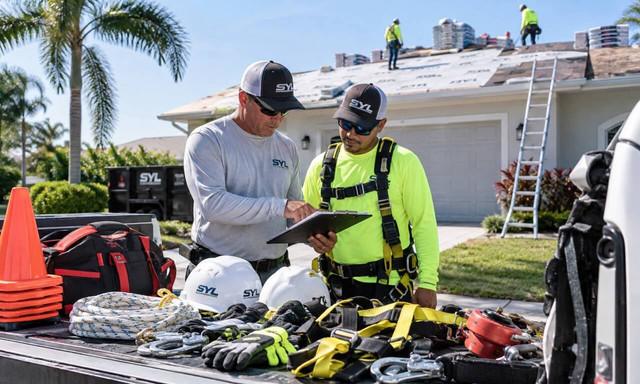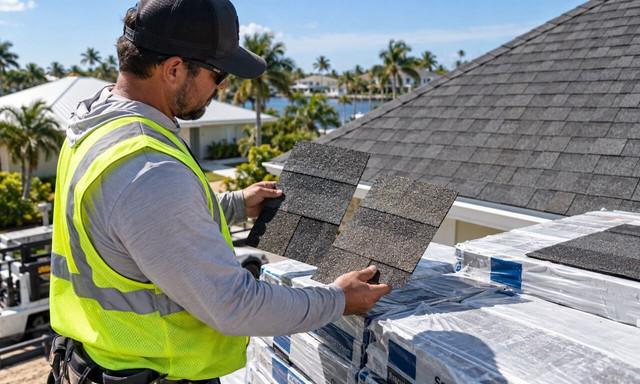

Florida roofing does not leave much room for weak layers. Heat, humidity, heavy rain, storm season, and code requirements all put pressure on the parts of the roof that homeowners rarely see.
That is why underlayment and waterproofing decisions matter. They affect installation, inspection, leak protection, and long-term roof performance.
The visible roof matters, but the unseen layers often decide how well the system holds up.
For contractors planning Florida jobs, SYL Roofing Supply is a roofing supply in Florida built to support material selection, delivery timing, and jobsite readiness.
Why Underlayment Decisions Matter in Florida
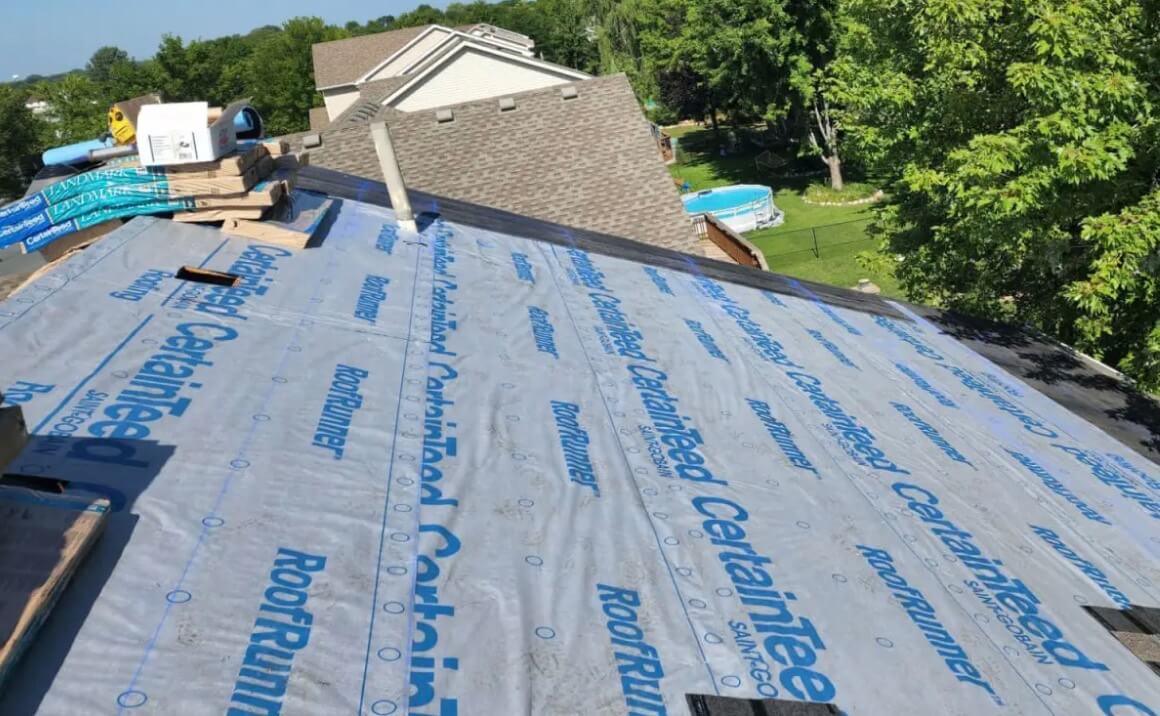
Underlayment is not just a backup layer in Florida. It is part of how the roof manages moisture, storm exposure, and heat over time.
Florida’s climate can be tough on roofing systems. Heavy rain tests water protection. Humidity can affect material performance. Sun exposure can damage products that sit too long before installation. Storm season can compress timelines and create urgency around delivery and staging.
Because of that, contractors should treat underlayment as a planning category, not a last-minute line item.
A roof may look ready from the outside, but if the wrong underlayment or waterproofing materials are ordered, the job can run into delays, inspection friction, or future leak risk.
The Simple Decision Factors That Change What You Order
There is no single underlayment choice that fits every Florida roof. The right order depends on the roof system, exposure, code requirements, and install timing.
Key decision factors include:
Roof type
Shingle, tile, metal, and low-slope systems can require different underlayment and waterproofing choices.
Slope and design
Low-slope areas, valleys, transitions, and penetrations may need added waterproofing attention.
Storm exposure
Projects in high-risk zones may require stronger secondary water barrier planning.
Installation timing
If materials will sit before installation, storage and UV exposure matter.
Inspection and code needs
Florida jobs often require careful documentation and code-aware material choices. Contractors should confirm manufacturer guidance and local requirements before finalizing the order.
If you are building a full order, reviewing roofing product categories can help make sure underlayment is planned with the related accessories instead of ordered alone.
Underlayment and Waterproofing Categories to Plan Together
A strong underlayment order usually includes more than roll goods. The companion materials matter too.
Plan these categories together:
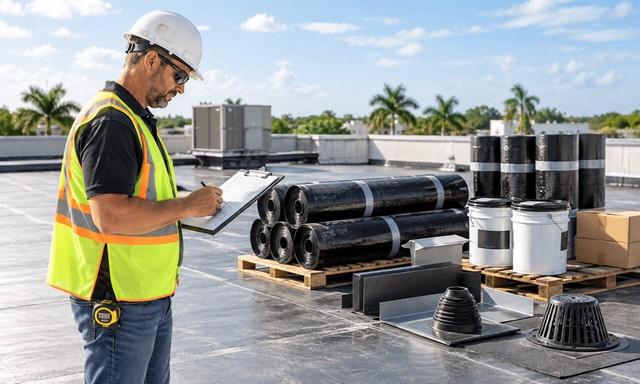
- synthetic underlayment, felt, or peel-and-stick products
- waterproofing membranes where required
- flashing and edge details
- pipe boots and penetration accessories
- compatible sealants
- cap nails, fasteners, or other attachment materials
- staging and protection notes for the jobsite
Missing a small accessory can slow the job just as much as missing a main product. That is why the underlayment decision should be tied to the rest of the roof package.
For contractors coordinating timing around weather or crew schedules, SYL’s delivery options for roofers can help align material drops with the install plan.
Underlayment Ordering Checklist
Use this checklist before placing the order.
Identify the roof system.
Confirm whether the job is shingle, tile, metal, low-slope, or another system.
Choose the underlayment category.
Match the underlayment to the roof type, exposure, and job requirements.
Add waterproofing where needed.
Review valleys, edges, penetrations, transitions, and high-risk areas.
Match accessories.
Include flashing, pipe boots, fasteners, sealants, and edge details.
Plan storage.
Keep materials off the ground, protected from weather, and staged for the install sequence.
Confirm delivery timing.
Plan delivery so materials are not sitting exposed longer than necessary.
Underlayment planning is not just product selection. It is timing, storage, accessories, and code awareness working together.
Delivery and Staging Notes for Roll Goods and Small Parts
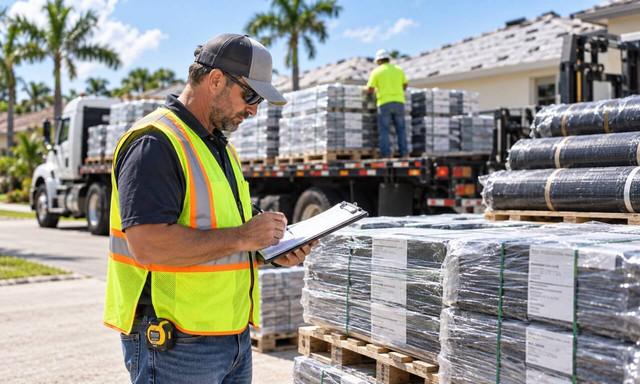
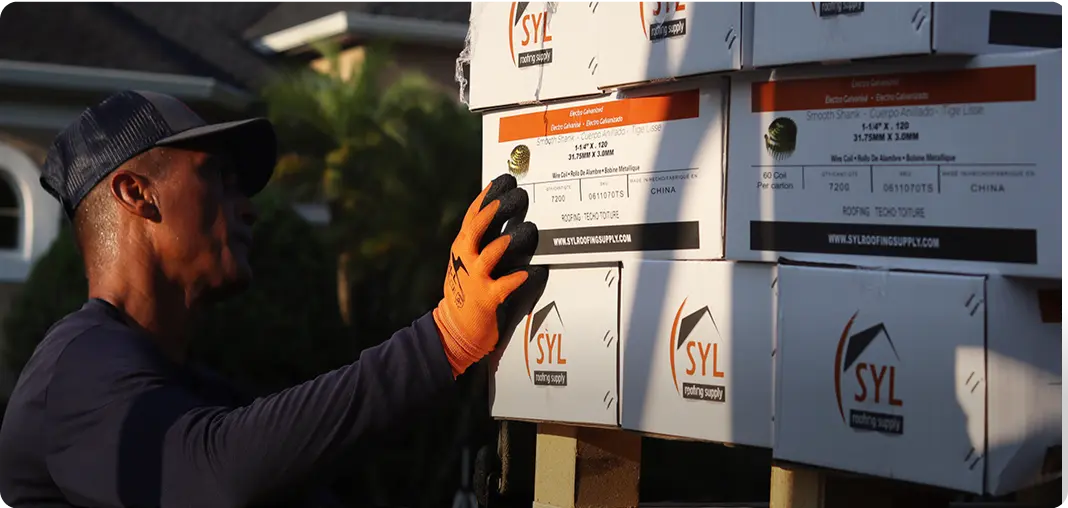
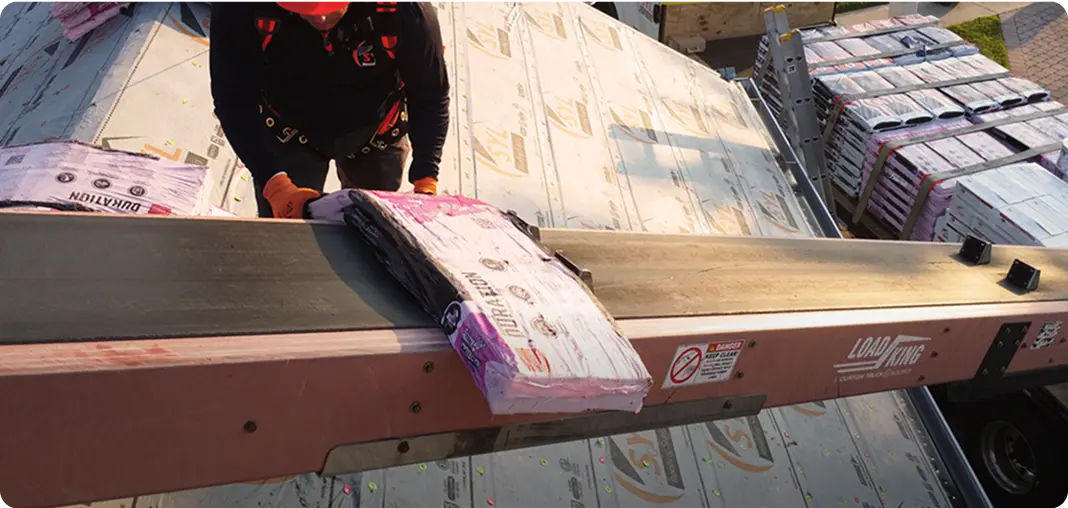
Good materials can still create problems if they are delivered too early, stored poorly, or separated from the parts needed to install them.
For Florida jobs:
- keep roll goods off the ground
- protect materials from sudden rain
- avoid leaving products exposed longer than recommended
- keep fasteners and sealants with the underlayment package
- stage materials in the order the crew will use them
- confirm who is responsible for checking the delivery
Waterproofing materials, sealants, and accessories should be easy to find when the crew starts. If they are buried, separated, or missing, the job slows down.
Next Step: Build the Order Around the Whole Roof System
Before finalizing the next Florida roofing order, review underlayment, waterproofing, flashing, fasteners, sealants, and staging needs together. The goal is not just to buy the main layer. The goal is to make the install smoother and reduce avoidable delays.
For product planning, start with browse roofing materials. For timing and jobsite coordination, use SYL’s delivery options for roofers to align materials with your crew schedule.
FAQ
What underlayment is best for Florida roofs?
The best underlayment depends on the roof system, slope, exposure, code requirements, and installation timing. Synthetic, felt, and peel-and-stick products all have different use cases, so the order should match the job conditions.
Why does waterproofing matter so much in Florida?
Florida roofs face heavy rain, humidity, sun, and storm exposure. Waterproofing helps protect vulnerable areas like valleys, edges, penetrations, and transitions where leaks are more likely to start.
What should be ordered with underlayment?
Underlayment should be planned with fasteners, flashing, pipe boots, sealants, edge details, and any waterproofing membranes required by the roof system or job conditions.
How should underlayment be stored before installation?
Keep materials off the ground, protected from rain, and out of unnecessary sun exposure. Follow manufacturer storage guidance and stage materials so crews can access them in the order they will be installed.
References
- Colonial Roofing. Why tile roofs fail from the inside out: underlayment aging in Florida homes. https://www.colonialroofing.com/blog/why-tile-roofs-fail-from-the-inside-out-underlayment-aging-in-florida-homes
- 4 Peaks Roofing. Peel-and-stick underlayment vs synthetic for Florida roofs. https://www.4peaksroofing.com/peel-and-stick-underlayment-vs-synthetic-for-florida-roofs
- WQCS. 2023 Atlantic hurricane season ranks fourth for most named storms in a year. https://www.wqcs.org/2023-11-28/2023-atlantic-hurricane-season-ranks-4th-for-most-named-storms-in-a-year
- Bayside Roofing Pros. Synthetic roof underlayment problems. https://baysideroofingpros.com/blog/synthetic-roof-underlayment-problems