
Florida roofing contractors face constant pressure to keep projects moving, but roofing material shortages can derail even the most experienced crews. 51% of contractors cited supply chain and material shortages as their top challenge, a significant rise from the year before (roofingcontractor.com).
In Florida, the aftermath of hurricanes and regulatory changes further complicate procurement, often forcing delays or last-minute substitutions.
As a leading roofing supply in Florida, SYL Roofing Supply understands the importance of proactive order planning to help contractors avoid costly disruptions and keep jobs on track.
Why Second Runs Kill Margins
Second runs—those unplanned trips back to the supplier for forgotten or short materials—are a silent killer of project profitability. Not only do they add fuel and labor costs, but they also disrupt workflow—especially as labor shortages make schedule recovery even harder—leading to longer project timelines and frustrated clients. A Florida contractor observed that material shortages and increased costs have led to longer wait times for delivery, delaying roof installations and affecting budgets (apcroofing.com).
Every extra trip chips away at your bottom line and your reputation.
With labor shortages and volatile supply chains driving up quotes and extending lead times, inefficiencies like second runs can make the difference between a profitable project and a financial headache (flroofadvisors.com).
Building a no-second-run roofing order is now a necessity, not a luxury.
Build the Order by System Categories
A proven way to prevent shortages is to build your order by roofing system categories, using a repeatable, step-by-step workflow:
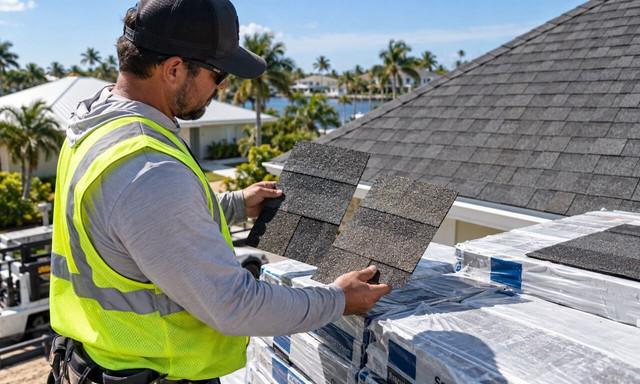
- Start with the core system: List all essential, project-specific items (asphalt shingles, metal panels, underlayment).
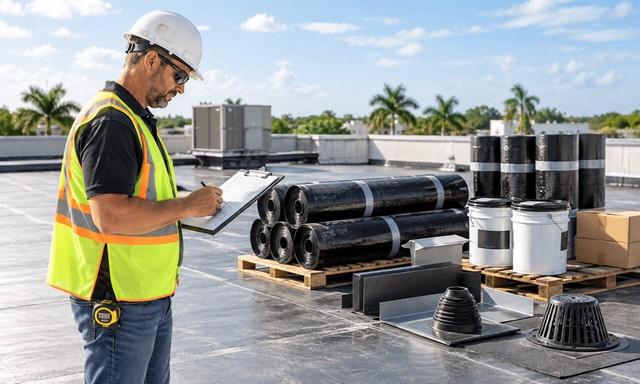
- Add companion categories: Include fasteners, flashing, ventilation, sealants, and accessories.
- Use detailed checklists: Comprehensive checklists and itemized estimates catch gaps before they become problems and can be especially valuable for less-experienced team members (floridaroofingandgutters.com).
- Consult with suppliers: Early collaboration confirms what’s in stock and flags long-lead items.
- Reference Florida code: Stay updated on changes—for example, the 25% Roof Replacement Rule was eliminated in 2022, so requirements may differ project to project (roofpredict.com).
For a full list, browse roofing materials by category with SYL Roofing Supply.
The Stop-the-Job Items List
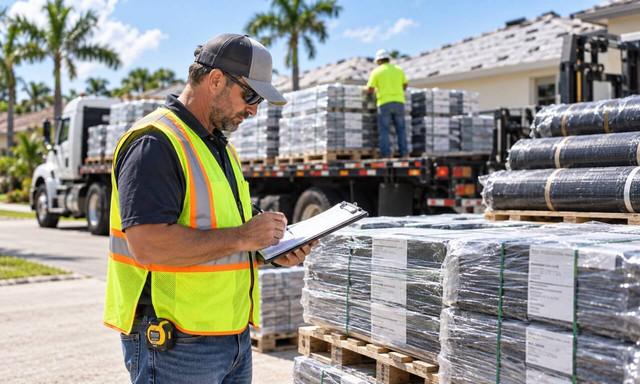
Missing even one “stop-the-job” item—like fasteners, underlayment, or ridge caps—can bring a project to a halt. After major storms, concrete roof tiles have become a commonly missed item, causing delays as contractors scramble for substitutes (roofingcontractor.com).
In fact, more than half of contractors report that supply chain shortages are a primary cause of jobsite stoppages (roofingcontractor.com).
Today, mobile apps that track jobsite deliveries in real-time are helping contractors respond to delays faster and avoid costly stops.
Stop-the-Job Essentials Table
| Category | Example Items | Delay Risk if Missing |
|---|---|---|
| Underlayment | Synthetic, peel-and-stick | Project halt, inspection fail |
| Ventilation | Ridge vents, soffit vents | Code violation, callback risk |
| Nails/Fasteners | Coil nails, specialty screws | Crew idle, missed deadlines |
| Sealants/Accessories | Flashing, tapes, caulk | Leaks, waterproofing failure |
| Flashing/Penetration | Step flashing, pipe boots | Leak risk, code issues |
| Safety/Consumables | PPE, tarps, disposal bags | OSHA issue, work stoppage |
Missing critical items often results in project delays, forced substitutions, or even code violations.
Stop-the-Job Items to Confirm Before the Crew Starts
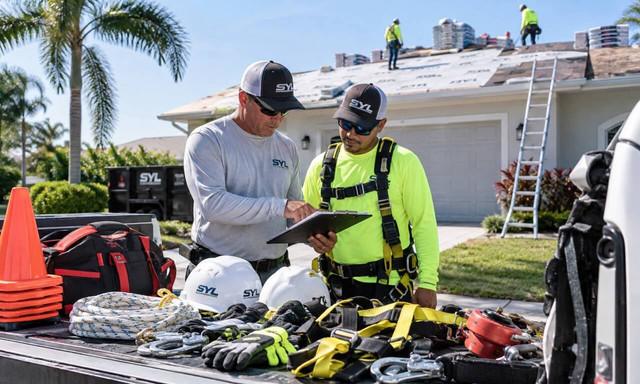
Before any crew steps on the roof, confirm that all jobsite material delivery includes these stop-the-job essentials. Pre-job confirmation is not just best practice—it helps avoid compliance issues and costly work stoppages, especially important under Florida rules (roofpredict.com).
Bilingual support for delivery confirmation can further reduce the risk of miscommunication on diverse Florida crews.
Even one missing item can stall an entire project.
By ensuring full delivery before work begins, crews reduce the risk of delays, callbacks, and compliance headaches.
The Two Sanity Checks Before You Submit the Order
Q: What’s the fastest way to catch a costly mistake before it becomes a jobsite crisis?
A: Double-check your order—both quantity and install sequence—before submitting. Industry best practices stress the value of itemized estimates and order confirmation to prevent misunderstandings. A detailed check can prevent project delays caused by missing or delayed materials (floridaroofingandgutters.com; roofingcontractor.com).
Many project management platforms now automate these double-checks, flagging order errors before they reach the supplier.
Contractors who implement these sanity checks consistently experience fewer callbacks and less downtime, keeping jobs moving and clients happy.
What to Do When Something Is Still Unknown
Even with the best planning, you’ll sometimes face unknowns—uncertain measurements, unclear specs, or lead time volatility. After Hurricane Wilma, for example, Florida contractors who couldn’t source concrete tiles switched to metal roofing, keeping projects on track (roofingcontractor.com).
A 2024 Tampa Bay case study found that firms using supplier diversification and material substitution strategies reduced delays by 40%, even during shortages (roofpredict.com).
Proactively sharing any unknowns with your supplier helps them suggest solutions before issues delay your timeline.
SYL Roofing Supply offers flexible delivery options and can advise on substitutions or alternate suppliers if something is unavailable at order time.
Next Step
Ready to put this into practice? Start by browsing categories, use a roofing material checklist, and request a quote with your project specs.
Whether you’re using the SYL app or speaking directly with our team, proactive planning and supplier collaboration are your best defense against roofing material shortages and mid-job disruptions.
Download the SYL Roofing Supply app to stay updated on your order’s status in real time.
Frequently Asked Questions
What is a no-second-run roofing order?
A no-second-run roofing order is a material order built to prevent unplanned trips back to the supplier during the job. It includes all core materials, accessories, and stop-the-job items before the crew starts work.
What are stop-the-job items in roofing?
Stop-the-job items are the materials that can completely halt progress if they are missing, such as underlayment, fasteners, flashing, ventilation parts, sealants, and safety consumables. These should always be confirmed before installation begins.
How can contractors reduce the risk of material shortages?
The best way is to build the order by system category, use a checklist, double-check quantities and install sequence, and confirm stock with the supplier early. This makes it easier to catch gaps before they become jobsite problems.
What should contractors do if some order details are still unknown?
If measurements, specifications, or availability are still uncertain, those unknowns should be shared with the supplier before the order is finalized. That gives the supplier time to suggest substitutions, alternate sourcing, or delivery adjustments before delays happen.
References
- National Roofing Contractors Association. (2022). Supply Chain Shortage and Price Volatility. https://www.nrca.net/resources/supply-chain-shortage
- Roofing Contractor. (2023). 2023 State of the Industry Report. https://www.roofingcontractor.com/articles/97890-2023-state-of-the-industry-report
- Roofing Contractor. (2021). A New Climate for Roofing. https://www.roofingcontractor.com/articles/85161-a-new-climate-for-roofing
- Florida Roofing & Gutters. (2022). Finding an Affordable Roofing Contractor in Florida. https://floridaroofingandgutters.com/finding-affordable-roofing-contractor-florida
- RoofPredict. (2024). How to Thrive in Florida’s Year-Round Roofing Demand. https://roofpredict.com/blog/how-to-thrive-in-floridas-year-round-roofing-demand