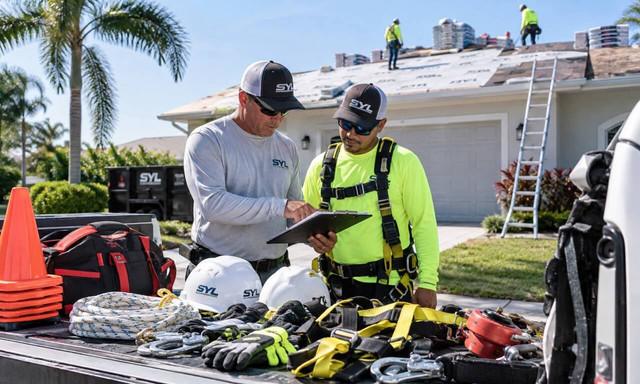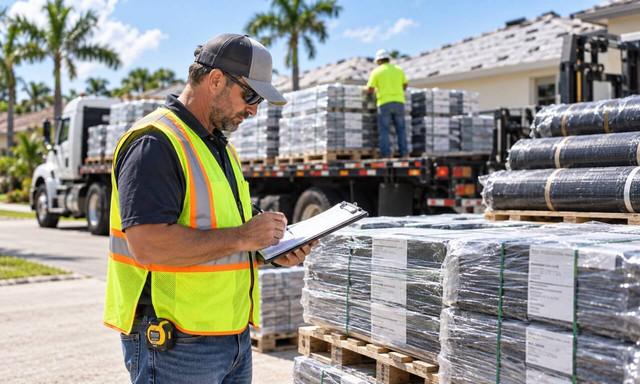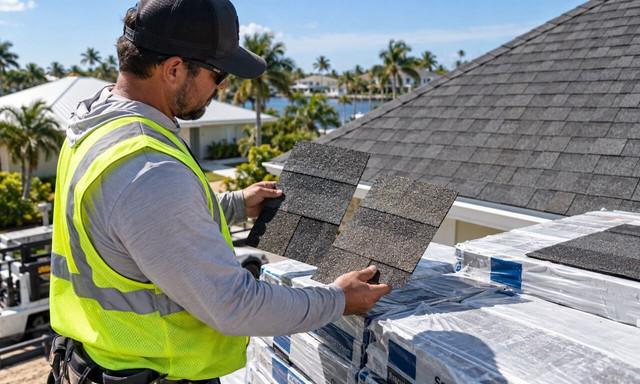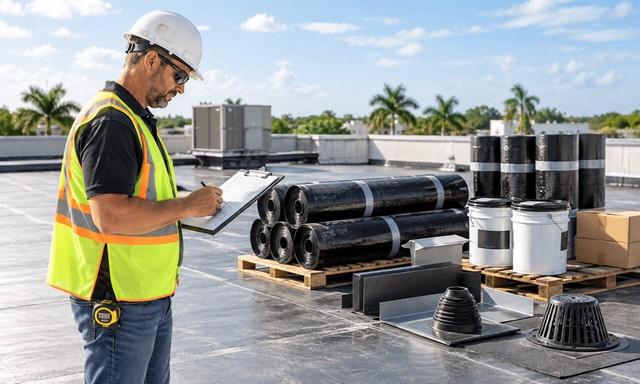

In Florida’s demanding roofing environment, even the smallest missing part can bring a project to a sudden halt. Crews working to keep jobs on schedule often find that it’s not the main shingle order that causes issues, but an overlooked box of fasteners or a missing ridge cap. According to roofing industry experts, minor roof defects or incomplete orders can quickly escalate—allowing moisture intrusion that leads to soaked insulation, mold growth, and interior restoration costs that run into the thousands (roofprosflorida.com).
In a state where storms and hurricanes are frequent, these small oversights can leave roofs vulnerable to major damage and even insurance claim denials due to “lack of maintenance” (skqualityroofing.com). For every crew, a shingle job order checklist and precise roofing material planning are essential tools for keeping jobs efficient, compliant, and profitable.
Simply put, when it comes to roofing, the smallest missing item can lead to the largest setbacks.
That’s why the pros don’t just order shingles—they order systems, using a complete checklist to make sure every job starts and finishes strong.
Why Shingle Jobs Stall on the Small Stuff
Roofing crews rarely run into trouble because they forgot the main shingle bundles. Instead, the real pain comes from missing essentials like starter shingles, ridge caps, fasteners, underlayment, and ventilation components (see roofing materials).
In Florida, these details matter even more: small omissions can leave roofs exposed to water infiltration, wind uplift, and devastating structural damage during storms (roofprosflorida.com).
Missing underlayment can also result in code violations and inspection failures for Florida contractors. Omitting small items like starter strips or ridge caps can result in costly repairs, project delays, and even insurance complications.
The most experienced contractors know that a forgotten box of fasteners or a missing vent can shift a job from “ahead of schedule” to “crew standing idle”—all while the homeowner waits and costs climb. These setbacks can also drive up energy costs and, for commercial jobs, lead to lost productivity for building owners.
Build the Order by System, Not by Memory
It’s tempting to rely on experience and memory for job prep, but even the best crews can overlook a critical component. When material orders are built by system—starting with the roof’s accessories checklist—contractors minimize surprises and keep jobs on track. Industry analysis shows that paper-based or memory-driven planning often results in over-ordering or under-ordering, leading to waste, last-minute runs, and costly stockouts (medium.com; checklistguro.com).
System-based ordering ensures every code-mandated detail, like nailing patterns and fastener types, is covered. Contractors who rely on detailed checklists report fewer errors and smoother installations.
Switching to a category-level, system-based ordering process not only improves accuracy but also helps crews avoid missing crucial steps for DBPR code approval compliance, which helps avoid permitting delays. This approach is especially important in Florida, where code compliance and storm readiness are non-negotiable.
The Shingle Job Order Checklist (Category-Level)
A reliable checklist keeps every essential at hand and prevents costly returns to the supplier.
Here’s the shingle job order checklist contractors can reuse:
- Shingles: Choose the right type and color for the job. (see all shingles)
- Starter and Ridge Cap: Secure the eaves and protect the peak; ensure manufacturer compatibility.
- Underlayment and Waterproofing: Select appropriate underlayment (roof underlayment types like felt, synthetic, or self-adhering for HVHZ zones); in HVHZs (e.g. Miami-Dade), self-adhering polymer-modified bitumen underlayment is required.
- Drip Edge and Edge Details: Plan for metal flashing to direct water away and preserve fascia.
- Ventilation: Include both intake and exhaust ventilation as required by Florida building codes (roof ventilation requirements).
- Nails and Fasteners: Order the correct type and quantity based on code; corrosion-resistant nails are standard for Florida (roofing fasteners specifications). Florida code requires four to six nails per shingle, depending on wind zone.
- Sealants and Accessories: Stock all necessary sealants, caulks, and accessory items.
- Basic Tools and Safety Consumables: Don’t forget blades, chalk lines, harnesses, and other essentials.
- Staging Plan Notes: Decide what needs to be accessible first for efficient workflow and jobsite safety.
Common Misses That Cause Delays
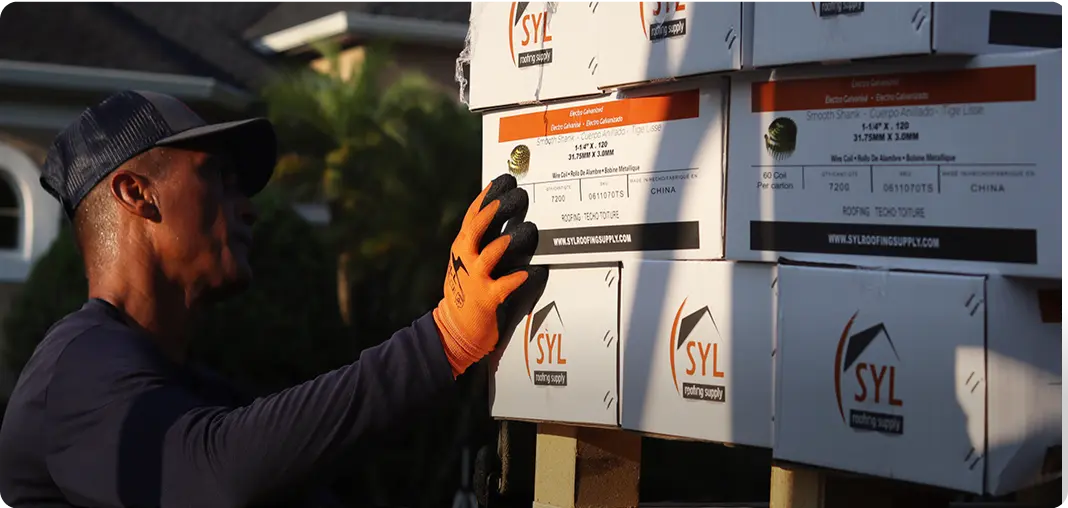
Why do the “one box” items stop production? It’s a scenario every crew dreads: the job is prepped, the shingles arrive, but a single missing accessory—like fasteners, a ridge vent, or sealant—halts progress entirely. Industry discussions stress that late or incomplete material requests can force crews into crisis management, leading to unplanned downtime and higher costs (medium.com; precisionestimator.com).
Improper nailing patterns can also lead to inspection failures and insurance problems. For example, missing just one box of fasteners or a key piece of ventilation can halt an entire crew’s progress—and in Florida, that can mean days lost to weather before work resumes.
Crews using pre-installation checklists consistently avoid costly last-minute surprises. To prevent this, seasoned pros use detailed checklists and confirm all accessories in advance, so no one is scrambling mid-job.
Delivery vs Pickup Decision for Shingle Loads
Deciding between delivery and pickup comes down to time, labor, and risk management. While there’s a lack of published statistics comparing labor or time savings for Florida, construction pros agree that planning ahead—especially for bulk or specialty items—minimizes downtime and keeps crews focused on installation, not logistics.
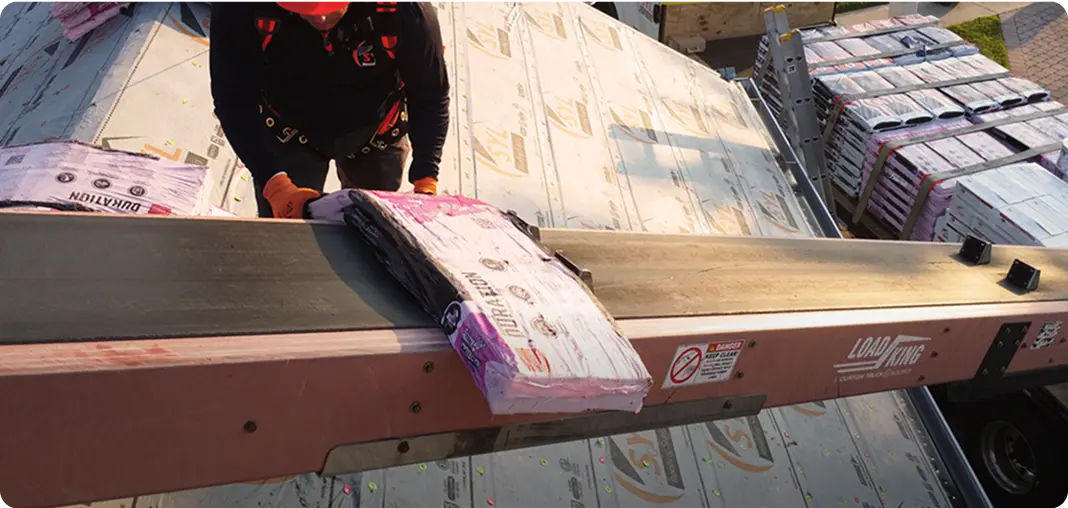
Material shortages, supply chain disruptions, and Florida’s unpredictable weather all argue for scheduling delivery when possible, particularly for large or custom orders. SYL Roofing Supply provides Saturday and express delivery options to help contractors stay on schedule even when timelines are tight.
Carefully scheduled delivery can help contractors avoid unpredictable Florida weather delays. Standard delivery times for roofing materials range from two to four weeks, but planning ahead can minimize downtime and ensure that even the smallest components arrive when needed.
If the jobsite is remote, tight on space, or weather threatens, delivery is often the most reliable play. For last-minute add-ons, a quick pickup may be faster, but only if all accessories are confirmed in stock.
Next Step: Order, Stage, and Request Support
A system-driven, checklist-based approach to roofing material planning and staging keeps errors low, projects on schedule, and costs under control. Industry insights show that digital checklists and systematic material management reduce errors, delays, and waste, making every crew’s job easier (checklistguro.com; medium.com).
Using a checklist can help contractors avoid costly mistakes and streamline project execution. Using a systemized checklist also ensures code approval and permit documents are never missed—a core value offered by SYL Roofing Supply.
With the SYL app, contractors can track orders and access vital compliance docs from the field. Ready to streamline your next job? Download or customize the checklist above, browse roofing material categories, and request a quote for your next order to keep your crew moving.
Frequently Asked Questions
What items are most commonly missed on a shingle roofing order?
Starter shingles, ridge caps, underlayment, fasteners, ventilation components, and sealants are some of the most commonly missed items. These smaller materials are often what cause jobsite delays, not the main shingle bundles.
Why is underlayment so important on Florida shingle roofs?
Underlayment adds a critical moisture barrier beneath the shingles and helps protect the roof deck from water intrusion. In Florida, the right underlayment also supports code compliance and storm-readiness, especially in high-wind areas.
How many nails are required per shingle in Florida?
Florida code generally requires four to six nails per shingle depending on the wind zone and roofing system. Using the correct fastener type and quantity is essential for both performance and inspection approval.
Is delivery or pickup better for shingle roofing materials?
Delivery is usually the better option for larger or time-sensitive jobs because it reduces labor loss and helps crews stay focused on installation. Pickup can work for smaller or last-minute additions, but only if stock is confirmed ahead of time.
Related Resources for Roofing Pros
- Roofing Supplies vs Roofing Materials: What to Order First to Keep Crews Moving
- Underlayment Basics for Florida Roofs: Synthetic vs Felt vs Peel-and-Stick
- Ventilation, Fasteners, Sealants: The Accessories That Prevent Callbacks
For code documents and mobile order management, see our Code Approvals and App pages. Explore these resources for deeper insights on roofing supplies, underlayment basics, and roof ventilation tailored to Florida’s unique roofing challenges.
References
- Roof Pros Florida. (n.d.). The Real Cost of Ignoring Small Roof Damage. https://roofprosflorida.com/the-real-cost-of-ignoring-small-roof-damage/
- SK Quality Roofing. (n.d.). The Cost of Delaying Residential Roof Repairs in Florida. https://www.skqualityroofing.com/the-cost-of-delaying-residential-roof-repairs-in-florida/
- ChecklistGuro. (n.d.). Paper vs. ChecklistGuro in Material Requirements Planning (MRP) Management. https://checklistguro.com/blog/paper-vs-checklistguro-in-material-requirements-planning-mrp-management
- Precision Estimator. (n.d.). 6 Critical Errors in Material Acquisition and Their Solutions. https://precisionestimator.com/6-critical-errors-in-material-acquisition-and-their-solutions/